
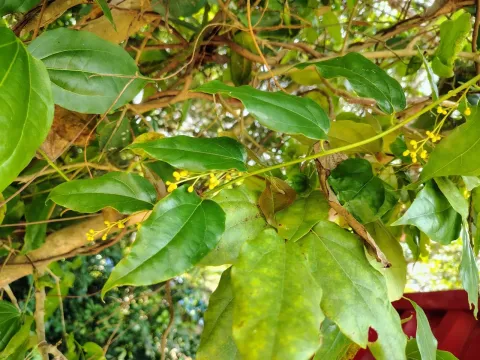
Tiliacora
Tiliacora
Tiliacora is typically propagated through vegetative methods, specifically using stem cuttings, which ensures the consistency of the chemical profile in the plant.
What the section contains


Tiliacora
Seed propagation is possible but less common due to the specific requirements for high humidity and consistent tropical temperatures during the germination phase.
The ideal time to plant is at the beginning of the rainy season, as the natural environmental conditions significantly boost the rooting success rate.
Seedlings should be kept in a controlled nursery environment until they reach a robust size, ensuring they are strong enough to withstand field conditions.
Using a loose, well-draining potting medium is essential during the early stages of growth to prevent common moisture-related issues at the base of the stems.
Tiliacora is a perennial vine belonging to the Menispermaceae family, native to humid tropical regions where it thrives under the cover of forest canopies.
The plant demands high temperatures, ideally ranging between 22 and 32 degrees Celsius, and prefers a consistent, high level of atmospheric humidity.
Soil quality is paramount; the plant requires rich, organic-heavy soil with good drainage to support rapid vine development and leaf production.
Vertical support structures are essential for this climbing species, as it requires elevation to properly mature and undergo physiological development.
While it thrives in warm climates, direct midday sun can stress the plants, necessitating partial shade during the peak of the day in open plantations.
The commercial yield of Tiliacora is determined by the total biomass of leaves and stems harvested for medical or pharmaceutical application.
Under optimal conditions and intensive management, plantations can produce multiple harvests within a single growing season through selective cutting.
The yield potential is closely linked to the fertility of the soil and the frequency of organic nitrogen supplementation to encourage new shoot growth.
Proper pruning techniques are essential to maximize yield, as they trigger auxiliary buds and increase the total density of the vine's foliage.
Commercial growers often monitor the metabolic age of the branches to ensure that the concentration of bioactive compounds remains at the desired level.
Excessive soil moisture is the primary threat to Tiliacora, often leading to root rot, which can quickly degrade the health of an entire plantation.
Common pests include aphids and spider mites, which thrive in stagnant air conditions and can cause significant damage to the plant's delicate leaves.
Fungal diseases, such as powdery mildew, often occur when air circulation is poor, particularly during prolonged periods of heavy rainfall.
Maintaining a healthy, well-ventilated plantation is the most effective way to naturally minimize the impact of various plant pathogens.
Integrated pest management, favoring biological controls over chemical pesticides, is recommended to preserve the purity of the medicinal plant material.
Harvesting involves the selective pruning of mature stems, ensuring that the plant remains healthy enough to regenerate growth for future cycles.
The leaves must be harvested when they are fully developed and display the deep green color indicative of maximum phytochemical content.
Once harvested, the material must be cleaned and moved to shaded, well-ventilated areas to prevent fermentation and loss of efficacy.
Drying the leaves requires low-temperature settings to protect heat-sensitive compounds that are essential for the plant's therapeutic uses.
Final storage should be in moisture-proof containers placed in cool, dark environments to maintain the quality of the product over long periods.