
Triclisia
Triclisia
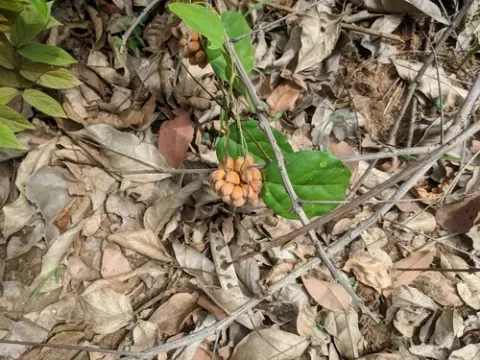
Triclisia is a genus of woody climbers belonging to the Menispermaceae family, predominantly found in the tropical regions of Africa. These plants exhibit a climbing habit, utilizing forest structures to reach necessary light levels within the dense rainforest canopy, which is a key trait of their survival strategy.
What the section contains


Triclisia
The cultivation of Triclisia requires a climate that mimics their native tropical environment: high ambient humidity, consistent warmth, and protection from extreme temperature drops. They thrive in deep, humus-rich, well-drained soils that provide adequate nutrients while preventing waterlogging, which is critical for their root health.
Botanically, species of Triclisia are characterized by their twining stems and simple, alternate leaves. The reproductive structures are typically small and inconspicuous, often grouped in panicles. Understanding these morphological features is essential for those studying the genetic diversity and pharmacological potential of this genus.
Agrotechnical management in controlled settings involves providing robust vertical supports to facilitate proper vine growth. Maintenance also requires careful monitoring of light levels; while they are adapted to low-light understory conditions, they may require adjusted shade percentages to optimize vegetative growth for medicinal purposes.
The primary economic and scientific value of Triclisia lies in its phytochemical composition. Various species are rich in bisbenzylisoquinoline alkaloids, which are actively researched for their pharmacological properties, including potential analgesic, anti-inflammatory, and antimicrobial effects, making them a focus for natural product drug discovery.