
Tiliacora triandra
Tiliacora triandra
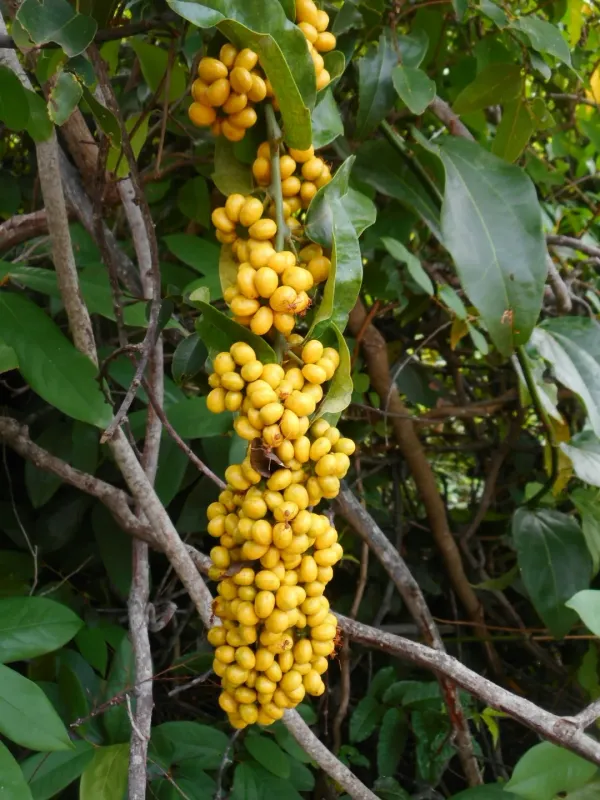
Description
Sowing dates
Tiliacora triandra, commonly known as Yanang, is a perennial evergreen vine belonging to the Menispermaceae family. In agricultural practice, it is primarily propagated through stem cuttings, which ensure the preservation of desirable characteristics.
When starting from seeds, it is crucial to use a well-draining, nutrient-rich soil mix. The seeds require high humidity and warm temperatures consistently to germinate successfully, often taking several weeks to emerge.
The best time for planting cuttings is at the beginning of the rainy season. This timing ensures that the soil moisture is optimal for root development, allowing the plant to establish itself before the peak of the dry season.
Tiliacora triandra thrives when provided with vertical support. In agroforestry or garden settings, planting the vines near trees or trellises is essential to encourage upward growth and maximize leaf production.
Spacing between plants should be carefully planned to allow for sufficient air circulation. Proper spacing prevents the overcrowding that often leads to humidity-related diseases in the dense foliage of the vine.
Growing requirements
This crop is strictly tropical and requires temperatures between 25 and 30 degrees Celsius for optimal growth. It cannot tolerate frost and should be protected from sudden cold snaps or chilling winds.
The ideal soil is fertile, loose, and slightly acidic to neutral in pH. Waterlogging must be strictly avoided, as the plant is prone to root rot; therefore, planting on raised beds or sloped land is recommended in high-rainfall areas.
Consistent moisture is key to producing high-quality leaves. While the plant likes water, the substrate must remain aerated, so organic amendments like compost are useful to balance water retention and drainage.
Tiliacora prefers partial shade. Excessive direct sunlight can cause leaves to become tough and pale, whereas filtered light helps maintain the vibrant green color and tenderness required for culinary use.
Maintenance involves regular weeding around the base of the plant to prevent competition for nutrients. Fertilizing with balanced organic matter supports the continuous growth of new shoots throughout the year.
Yield
The harvestable yield of Tiliacora triandra is primarily its leaves. A well-maintained vine can provide its first significant harvest approximately 12 months after planting, depending on climatic conditions.
Regular harvesting of young leaves and shoots stimulates the vine to branch out, increasing the overall surface area for future production. This technique is fundamental for maintaining a high turnover of fresh biomass.
An individual, healthy plant can remain productive for several years if properly pruned and nourished. Productivity peaks during the rainy season when growth rates are highest and the plant is most vigorous.
The leaves are widely used in Southeast Asian cuisine, particularly in soups and curries, where they act as a natural thickener and flavoring agent. The demand for fresh leaves ensures a steady market value.
Post-harvest, the leaves should be handled with care to avoid bruising. They have a relatively short shelf life and should be kept in a cool, ventilated area to prevent wilting and degradation of their aroma.
Main diseases and pests
Aphids and spider mites are the most common pests affecting this crop. They tend to congregate on the underside of the leaves, drawing sap and weakening the plant if not addressed early.
Fungal leaf spot diseases may appear during periods of excessive rainfall or poor air circulation. Removing affected foliage and improving airflow within the plant canopy are effective ways to manage the spread.
Root rot is the most serious threat, typically caused by overwatering or poor soil drainage. If symptoms such as yellowing leaves or stunted growth appear, the drainage system of the plantation must be re-evaluated.
Snails and slugs can cause significant damage to young shoots in moist environments. Barriers such as wood ash or copper tape can be used to protect the base of the vines from these mollusks.
Integrated pest management, focusing on biological controls and regular monitoring, is the most sustainable approach for Tiliacora production, ensuring the leaves remain safe for consumption.
Harvesting
Harvesting is a manual process that involves selectively picking the most tender, bright green leaves. This selective approach ensures that the plant continues to grow and produce new leaves over a longer period.
The best time to harvest is early morning, when the plant is fully hydrated and the leaves have their best texture and flavor profile. Harvesting during the heat of the day should be avoided to prevent rapid wilting.
Depending on the growth stage and seasonal conditions, farmers may harvest several times a month. Constant light harvesting is generally preferred over heavy, infrequent cutting to keep the plant in a continuous vegetative state.
After collection, the leaves should be cleaned of dust and debris. If they are intended for large-scale processing, they must be moved to the processing area immediately to maintain the desired chlorophyll content.
Hygiene during the harvesting process is critical. Since the product is often consumed directly or after minimal processing, tools and containers must be sanitized to meet agricultural safety standards.