
Pterolepis glomerata
Pterolepis glomerata
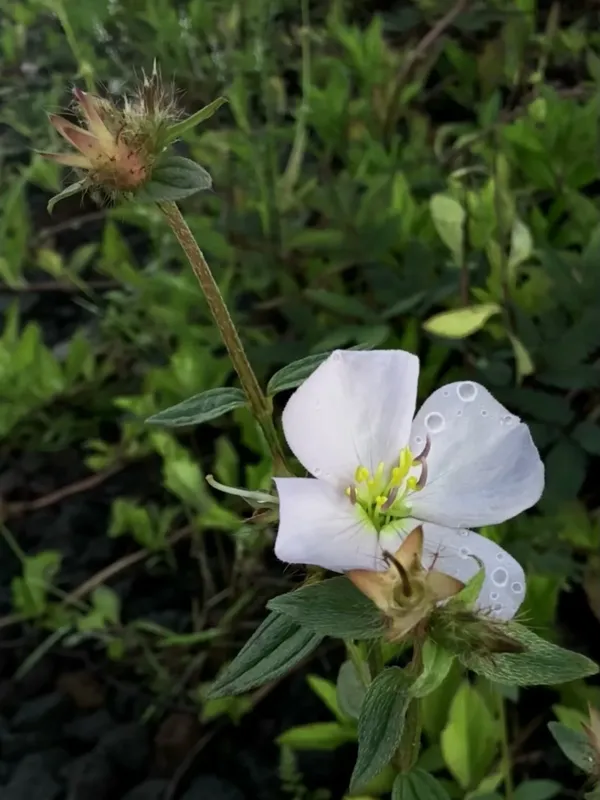
Description
Sowing dates
Pterolepis glomerata, a member of the Melastomataceae family, requires specific environmental conditions for successful seed germination. Seeds should be sown in spring using a fine, porous substrate that retains moisture but provides excellent drainage.
Since the seeds are extremely small, they should be surface-sown and gently pressed into the moist medium. Light is essential for the germination process, so they must not be covered with soil, and a clear cover should be used to maintain humidity.
A constant temperature of approximately 20–24 degrees Celsius is ideal for triggering the germination process. It is vital to avoid rapid temperature fluctuations, which can significantly reduce the success rate of the planting.
Seedlings are susceptible to damping-off disease, so it is crucial to maintain sterile conditions in the greenhouse. Proper ventilation is required once the seedlings emerge to ensure the air circulation necessary to prevent fungal colonization.
When the plants have developed a few sets of true leaves, they should be carefully pricked out into individual pots. This stage is delicate, and careful handling is required to prevent damage to the tender root system of the young plants.
Growing requirements
This species thrives in acidic soils rich in organic matter. Soil pH should ideally be maintained between 5.5 and 6.5 to ensure optimal nutrient uptake, as alkaline conditions often lead to severe chlorosis.
High relative humidity is necessary for the plant to maintain its metabolic functions. In arid climates, or during winter, the use of a humidifier or pebble trays is recommended to prevent leaf scorching and desiccation.
Bright, indirect light is required to support the plant's growth and flowering potential. While the plant appreciates morning sun, intense afternoon direct light can be damaging and should be filtered through shade cloths.
Watering must be performed with soft water or rainwater to avoid the accumulation of minerals that negatively impact the sensitive roots. The substrate should be kept consistently moist but never waterlogged during the active growth season.
Fertilization with a balanced, low-calcium liquid fertilizer should be applied monthly during the growing season. This ensures that the plant receives adequate nitrogen and phosphorus without stressing the root system with excessive mineral buildup.
Main diseases and pests
Spider mites are the most common pest challenge for Pterolepis glomerata, especially in greenhouses with low humidity. Regular misting and proper spacing of plants are effective preventative measures against these pests.
Mealybugs can also infest the stems and leaf axils, sucking the plant sap and hindering development. If an infestation is detected, physical removal using alcohol-soaked cotton swabs or systemic insecticides is recommended.
Root rot, driven by stagnant water and poor soil aeration, remains a significant threat. Symptoms often include sudden wilting despite the soil being moist, and discolored roots when examined from the bottom of the pot.
Leaf spot diseases, caused by various fungal pathogens, thrive in humid, still air. Maintaining proper airflow and removing affected leaves promptly can stop the spread of these pathogens across the collection.
Monitoring for signs of nutrient deficiency, such as interveinal chlorosis, is important to adjust the soil pH levels early. A proactive approach to pest and disease management is essential to maintaining the health and decorative value of the crop.