
Pterolepis pumila
Pterolepis pumila
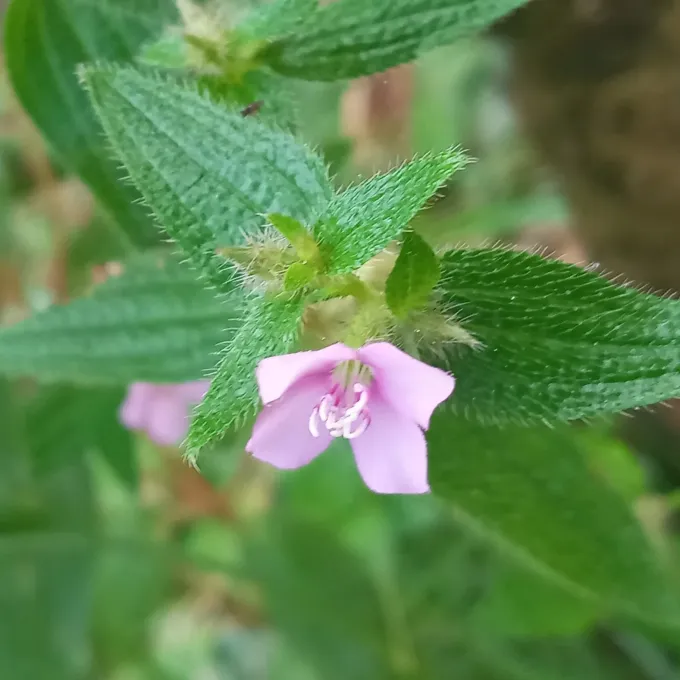
Description
Sowing dates
Pterolepis pumila, a member of the Melastomataceae family, is an herbaceous plant native to tropical regions that requires controlled environments for successful propagation.
Seed sowing is typically performed in greenhouses where both temperature and humidity can be precisely monitored to ensure optimal germination rates.
The best period for sowing is early spring, which aligns with the natural growth cycle of the plant as daylight hours and intensity begin to increase.
A well-draining, slightly acidic peat-based substrate is recommended to prevent waterlogging and to support the delicate root system of the seedlings.
Maintaining a consistent moisture level in the germination medium is essential, as the seeds require constant hydration to initiate the biological process.
Growing requirements
This species thrives in high-humidity environments and requires temperatures between 20°C and 28°C to maintain vigorous growth throughout the season.
Light requirements are significant; however, the plant should be shielded from intense, direct sunlight, which can scorch the foliage and hinder development.
The soil structure must remain porous to ensure proper aeration, as compacted soil can quickly lead to root asphyxiation and systemic plant weakness.
Regular fertilization with micronutrient-balanced solutions helps the plant achieve its full ornamental or growth potential during the peak season.
Space the plants adequately to allow for proper airflow, which is critical for reducing the risk of humidity-related pathogens in dense plantings.
Main diseases and pests
The primary threats to Pterolepis pumila involve fungal infections such as root rot and leaf spots, which are usually triggered by poor drainage conditions.
Pests including spider mites and mealybugs are known to infest the plant, particularly if the humidity levels are allowed to drop too low for extended periods.
Early detection of pest activity is vital for effective management; isolation of affected individuals is recommended to prevent a widespread outbreak.
Integrated pest management strategies should focus on maintaining optimal environmental conditions as a first line of defense against both insects and fungi.
Sanitation practices, such as the removal of senescent or necrotic foliage, are necessary to prevent the buildup of inoculum that could threaten the crop.