
Leandra longicoma
Leandra longicoma
Description
Growing requirements
Leandra longicoma belongs to the diverse Melastomataceae family, which is widely distributed across the tropical regions of South America. This plant typically thrives in the understory of moist forests, where it adapts to low-light conditions and rich, well-draining soil environments.
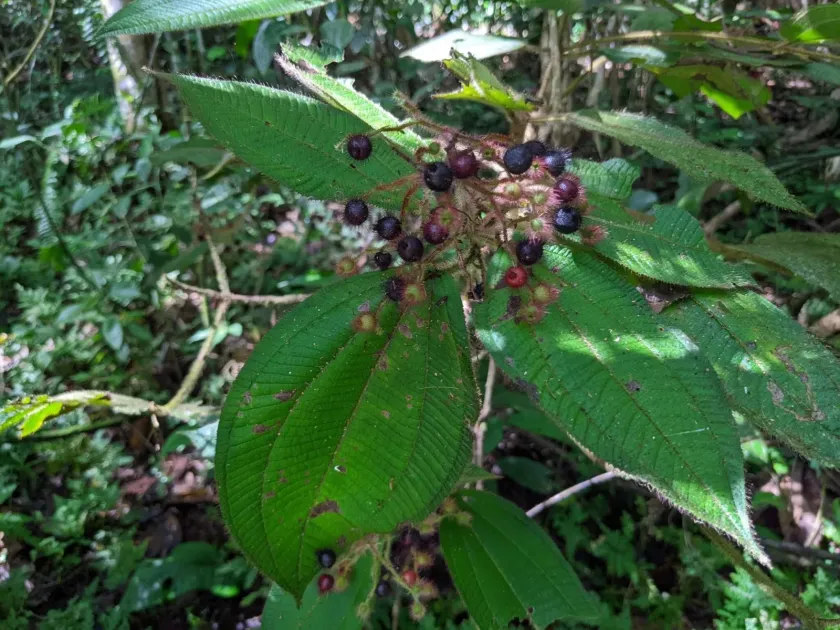
Botanically, the plant is recognized by its distinct leaf structure, featuring prominent parallel veins that arch along the lamina. These plants are generally evergreen shrubs that contribute significantly to the local biodiversity of their natural habitats by providing shelter for various micro-organisms.
Cultivation requirements for this species are strict, emphasizing the need for high humidity levels and a consistent temperature range. It is sensitive to direct sunlight, which can cause leaf burn, so it requires filtered light or shade-house conditions to maintain optimal physiological health.
Regarding soil, Leandra longicoma prefers acidic, nutrient-dense substrates that allow for effective moisture retention without becoming waterlogged. Regular application of a balanced liquid fertilizer, specifically formulated for tropical ornamental plants, can support healthy development and vegetative growth.
While not a commercial crop in the traditional agricultural sense, Leandra longicoma is a subject of botanical interest. Its study provides valuable insights into the resilience of tropical species and their potential role in sustainable landscaping within controlled, humid greenhouse environments.