
Heterocentron roseum
Heterocentron roseum A. Br. et Bouche
Description
Growing requirements
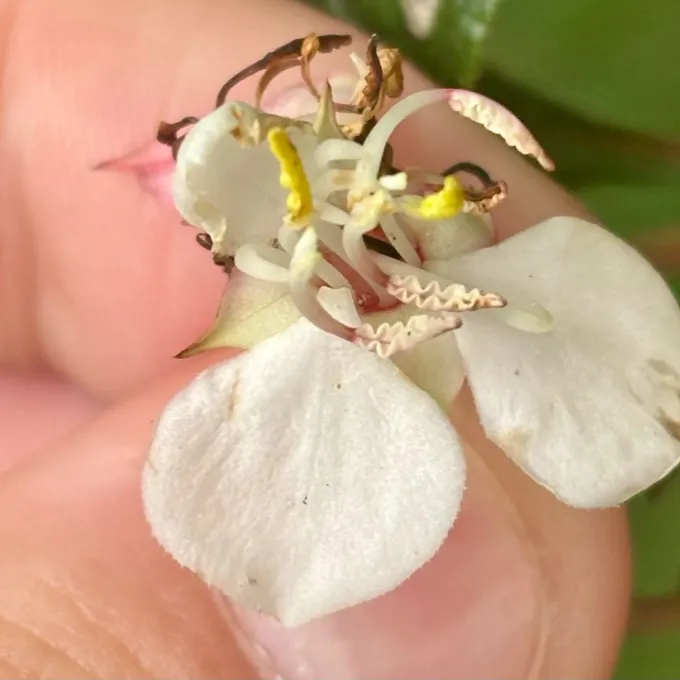
Heterocentron roseum is a perennial evergreen plant belonging to the Melastomataceae family, native to tropical regions of Central and South America. It is widely recognized for its creeping growth habit and attractive, vivid rose-pink flowers that bloom during warmer seasons.
The plant features distinctively veined, lanceolate leaves arranged in opposite pairs along trailing stems. These stems are capable of rooting at the nodes, allowing the plant to spread effectively across the ground or create dense mats in containers or hanging baskets.
Cultivation requirements focus on providing a warm, humid environment with bright, indirect sunlight. The plant performs best in temperatures ranging from 18 to 25 degrees Celsius and should be protected from harsh, direct afternoon sun, which can scorch its delicate foliage.
Regarding soil preference, Heterocentron roseum thrives in fertile, well-draining, slightly acidic soil mixtures. Providing adequate aeration in the root zone is crucial, as the plant is susceptible to root distress if the medium remains waterlogged for extended periods.
Regular maintenance involves keeping the soil consistently moist but never waterlogged. In greenhouse or indoor conditions, maintaining high humidity through misting or a pebble tray is recommended, as it promotes healthier leaf development and more robust flowering.
Main diseases and pests
The most common health issues for Heterocentron roseum are related to improper irrigation, particularly root rot caused by poor drainage. Ensuring the substrate is well-aerated is the primary defense against such fungal infections.
Pests such as spider mites and mealybugs frequently target this species, especially in environments with low humidity. These pests tend to congregate on the underside of leaves and along the stems, weakening the plant by extracting essential sap.
Effective management includes regular inspection of the plants and the application of insecticidal soaps or specific horticultural oils when necessary. Good air circulation significantly reduces the risk of pest outbreaks and fungal spores spreading through the foliage.
Yellowing of leaves, or chlorosis, is often an indicator of nutrient deficiencies or incorrect soil pH levels. A balanced liquid fertilizer, applied during the growing season, helps maintain vibrant color and supports continuous flowering performance.
Sanitation is key to preventing disease transmission. Always use sterilized tools when pruning or taking cuttings for propagation to ensure that pathogens do not enter the stems through fresh wounds.