
Ptisana
Ptisana
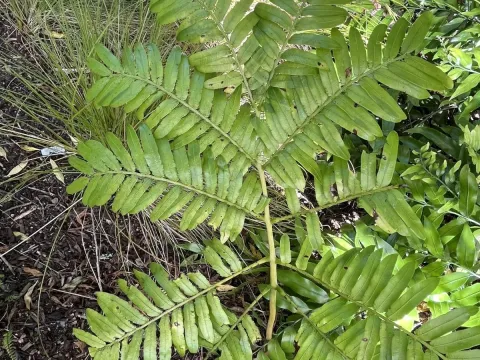
Ptisana is a genus of large ferns belonging to the family Marattiaceae. These plants are characterized by their massive, bipinnate fronds and thick, fleshy rhizomes that serve as storage organs in their natural habitats.
What the section contains


Ptisana
The native distribution of this genus spans tropical regions across the Pacific islands, Southeast Asia, and Madagascar. They predominantly inhabit dense, moist, and shaded forest understories, often near streams or in valleys.
Successful cultivation requires high atmospheric humidity and consistent temperatures. Ptisana ferns do not tolerate frost or cold drafts, making them suitable only for climate-controlled environments or specialized greenhouses.
Soil requirements involve a rich, organic-based medium with excellent aeration and drainage. The substrate should mimic the natural forest floor, maintaining moisture without becoming waterlogged, which is critical for root health.
In terms of usage, Ptisana is primarily valued for ornamental purposes in botanical gardens and conservatories. Due to the significant space requirements and specific environmental needs, it is rarely grown outside of professional botanical collections.
The most significant threats to Ptisana are soil-borne pathogens that cause root rot. These diseases thrive in environments with poor drainage and excessive watering, leading to the rapid decay of the rhizome and systemic collapse.
Pests such as scale insects and mealybugs are frequent issues in closed environments. These insects hide in the dense clusters of the frond bases, making detection difficult until the infestation has caused visible damage to the plant.
Environmental stress, such as direct sun exposure, can lead to severe foliar scorching. Furthermore, Ptisana is sensitive to chemical treatments; using harsh pesticides can often cause more damage to the foliage than the pests themselves.
Fungal leaf spots may occur if the ventilation is inadequate. Maintaining airflow around the fronds is essential to reduce the moisture lingering on the surface of the leaves, which prevents the germination of fungal spores.
Sanitation is key to managing health. This includes regular removal of decaying fronds and ensuring that only clean, high-quality water is used for irrigation to prevent the buildup of salts that can damage the root system.