
Ptisana pellucida
Ptisana pellucida
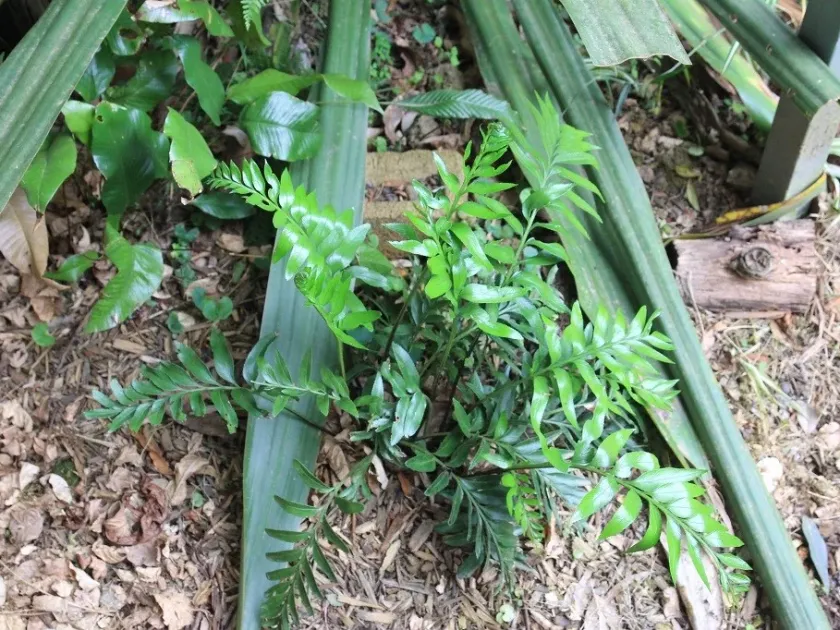
Description
Growing requirements
Ptisana pellucida is a distinctive member of the Marattiaceae family, characterized by its large, impressive fronds. Native to the humid tropical regions of the Pacific islands, this fern thrives in environments that replicate its natural forest floor habitat.
This species requires high ambient humidity, ideally maintained above 75%. In cultivation settings, misting systems or humidifiers are often necessary to prevent the foliage from drying out, especially in controlled environments like greenhouses.
The plant prefers consistent temperatures ranging from 20 to 26 degrees Celsius. It is highly intolerant of frost and extreme temperature fluctuations, which can cause significant stress and physical damage to the plant's vascular tissue.
Soil requirements involve a rich, well-draining substrate that remains moist without becoming waterlogged. A mixture consisting of peat, orchid bark, and perlite provides the necessary structure and aeration required for the healthy growth of the rhizomes.
In terms of usage, Ptisana pellucida is highly valued in horticulture for its ornamental architecture. It is commonly found in botanical conservatories and large-scale indoor landscapes where it serves as a tropical focal point.
Main diseases and pests
Pathogenic fungi represent the primary threat to the stability of the plant, often arising from excessive soil moisture levels. If the soil remains saturated for extended periods, the rhizome is highly susceptible to decay.
Insects such as scale insects and spider mites are frequent pests for this fern. They often target the undersides of the fronds, leading to discoloration and a decline in overall plant vitality if left unmanaged.
Management of pests involves a combination of mechanical removal and the careful application of horticultural oils or systemic insecticides. Always test treatments on a small portion of the plant to ensure no adverse reaction occurs.
Environmental stress, such as exposure to direct sun or dry drafty conditions, makes the fern more vulnerable to infestation. Providing a stable, protected microclimate is the most effective preventative measure against such threats.
Nutrient deficiencies or chemical buildup from hard water can also lead to weakened tissue, making the plant more prone to secondary infections. Regular monitoring of pH and water quality is essential for long-term health.