
Ptisana oreades
Ptisana oreades
Description
Growing requirements
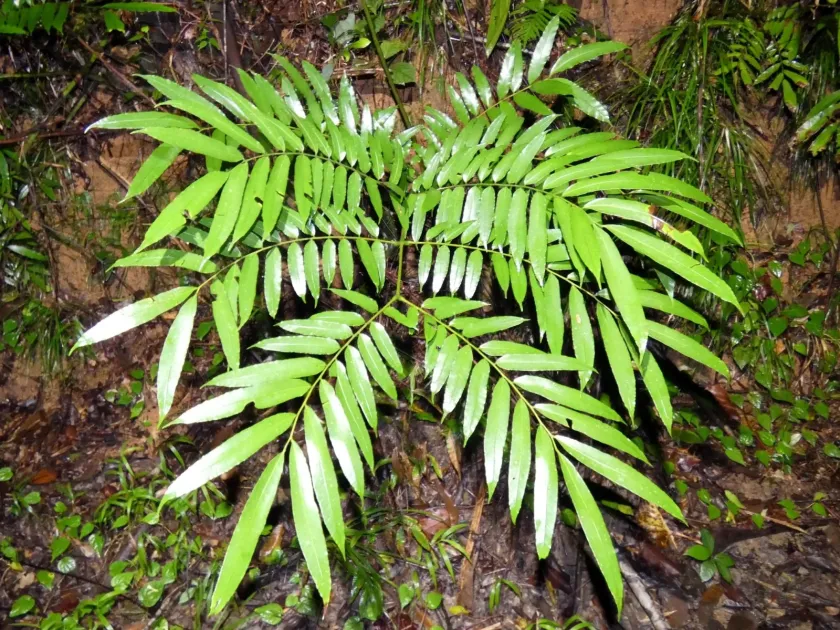
Ptisana oreades is a distinctive member of the Marattiaceae family, characterized by its large, robust fronds and fleshy rhizomes. This species is native to Lord Howe Island, where it thrives in the humid and shaded microclimates of high-altitude forests.
The cultural requirements for this plant focus heavily on high humidity and stable, moderate temperatures. Unlike many other ferns, it requires a well-aerated but moisture-retentive substrate, typically rich in organic matter, to sustain its massive root system.
For optimal growth, Ptisana oreades should be placed in areas with bright, indirect light. Direct sunlight is highly detrimental to the foliage, which can easily scorch, leading to significant plant stress and potential mortality of individual fronds.
Horticultural management involves consistent watering practices, ensuring the soil remains damp but never waterlogged. Regular misting or the use of humidifiers is recommended in domestic cultivation to replicate its natural environment, especially during the growth phase.
In terms of economic and practical utility, this fern is predominantly used in specialized conservatory collections and botanical research. Its status as an endemic and rare species makes it a highly sought-after plant for conservation-minded horticulturalists.
Main diseases and pests
Typical threats include pathogenic fungi that flourish in stagnant, poorly ventilated conditions. Root rot is a common occurrence if the drainage of the potting medium is insufficient, which can rapidly compromise the integrity of the rhizome.
Common pests affecting this species include scale insects and mealybugs, which tend to cluster in the dense base of the fronds. Integrated pest management, focusing on manual removal and environmental control, is the preferred strategy for maintaining healthy plants.