
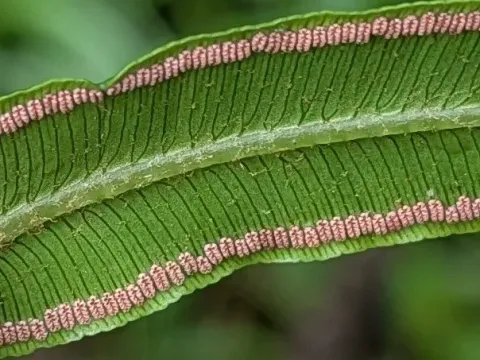
Angiopteris
Angiopteris
Angiopteris belongs to the Marattiaceae family and is considered one of the oldest ferns on the planet. In their natural habitat, these plants grow in the tropical forests of Asia, Africa, and the Pacific Islands, preferring humid, shaded areas with loose, organic-rich soil.
What the section contains


Angiopteris
For optimal development, the culture requires high air humidity, not dropping below 70–80%, and a stable temperature range between +20 and +26 degrees Celsius. The plant is extremely sensitive to drafts and sudden temperature fluctuations between night and day, making its cultivation in temperate climates possible only in greenhouses.
The soil for Angiopteris must be loose, slightly acidic, and have excellent drainage. The ideal substrate consists of leaf mold, peat, charcoal, and bark chips, which prevents water stagnation around the massive rhizome that is prone to rotting when overwatered.
Lighting should be diffused, avoiding direct sunlight, which can cause burn damage to the large fern fronds. The required photoperiod for optimal growth in closed conditions is approximately 10–12 hours, often requiring the use of grow lights during the autumn and winter seasons.
The economic use of Angiopteris is limited to ornamental gardening and institutional cultivation in botanical gardens. Due to the giant size of the fronds, which can reach several meters in length, this plant serves as a significant feature in tropical landscape design and a spectacular addition to conservatory interiors.
The primary threats to Angiopteris are sucking pests such as mealybugs and spider mites, which reproduce rapidly when air humidity levels fluctuate in confined indoor environments.
Root and stem rot are the main diseases that develop due to systematic waterlogging of the substrate. Fungal infections are notoriously difficult to treat, so the primary strategy focuses on prevention through strict drainage control and moderate watering practices.