
King fern
Ptisana fraxinea
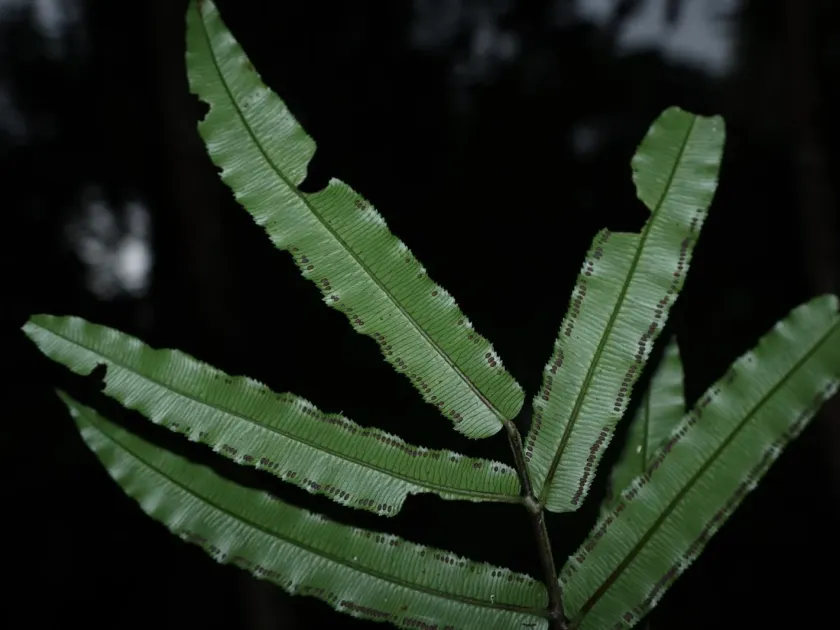
Description
Growing requirements
The King fern (Ptisana fraxinea) is a massive, long-lived fern belonging to the Marattiaceae family. Known for its distinct, large fronds and thick, succulent-like rhizomes, it is a botanical marvel found in the dense, shaded rainforests of the South Pacific and parts of the Indian Ocean.
Cultivating this species requires an environment that strictly mimics a high-humidity tropical habitat. It thrives in locations where temperatures remain consistently between 18°C and 26°C, as the plant is highly sensitive to cold stress and freezing conditions.
The soil requirements involve a rich, humus-based substrate that remains moist at all times. It is crucial to use a mix that allows for excellent drainage to prevent the rhizome from decaying, as stagnant water is one of the primary causes of plant death in cultivation.
Light management is essential for the King fern; it prefers bright, indirect light or filtered shade. Direct sunlight is detrimental to the fronds, leading to rapid dehydration and tissue burning, which negatively impacts the plant's overall health and aesthetic value.
In terms of agricultural and practical history, the plant's rhizomes have served as a source of starch for indigenous populations. However, it requires significant processing and cooking to remove astringent tannins and make the material safe for consumption.
Main diseases and pests
Common threats to this fern include root rot caused by pathogens like Phytophthora, which thrive in waterlogged conditions. Maintaining proper air circulation around the root zone is the most effective cultural control method.
Pests such as scale insects, mealybugs, and spider mites are frequent invaders of the foliage. Early detection is vital for successful management; regular inspection of the underside of the fronds is highly recommended to prevent severe infestations.