
Wercklea ferox
Wercklea ferox
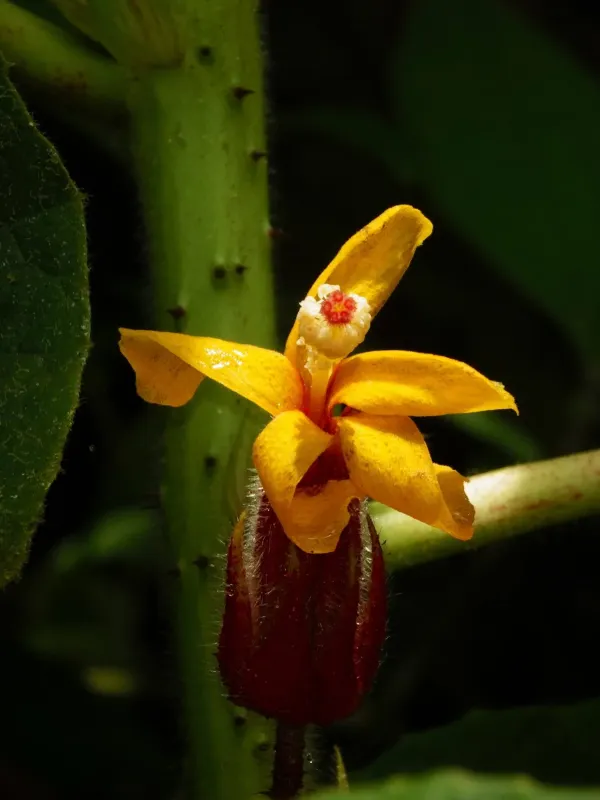
Description
Sowing dates
Propagation of Wercklea ferox is typically achieved through seeds, which require specific conditions to break dormancy and initiate healthy growth.
The seeds should be sown in a high-quality, well-draining seed starting mix and kept in a warm environment to facilitate successful germination.
Proper depth of planting is crucial; seeds should be covered with a fine layer of substrate and kept consistently moist without being waterlogged.
Once seedlings have developed their true leaves, they should be carefully transplanted into individual pots to provide adequate space for root expansion.
Timing the sowing process with the start of the spring season ensures that the plants receive the maximum benefit from increasing natural light intensity.
Growing requirements
Belonging to the Malvaceae family, Wercklea ferox is known for its impressive size and requires significant physical space to thrive both indoors and outdoors.
The ideal growing medium is rich in organic matter, loose, and slightly acidic, ensuring that roots are well-aerated at all times during the growth cycle.
Light requirements are high; however, the plant prefers bright, filtered sunlight to prevent leaf scorching while maintaining its vibrant green foliage.
Watering must be balanced; the soil should be kept damp but never soggy, and a drainage layer at the bottom of the container is highly recommended.
Optimal growth occurs in temperatures ranging from 20 to 28 degrees Celsius, with protection from cold drafts being essential for maintaining plant vigor.
Main diseases and pests
Common pests affecting this culture include spider mites and mealybugs, which thrive in environments where humidity levels are kept too low for long periods.
Root rot, caused by overwatering and poor drainage, remains the most significant threat to the longevity of the plant in a greenhouse or home setting.
Preventative measures involve regular monitoring of the foliage, maintaining good air circulation, and avoiding excessive moisture in the root zone.
If an infestation occurs, prompt action using appropriate horticultural soaps or systemic pesticides is necessary to protect the health of the plant.
Sanitation practices, such as disinfecting gardening tools and removing infected plant tissue, are essential to preventing the spread of diseases.