
Urocarpidium albiflorum
Urocarpidium albiflorum
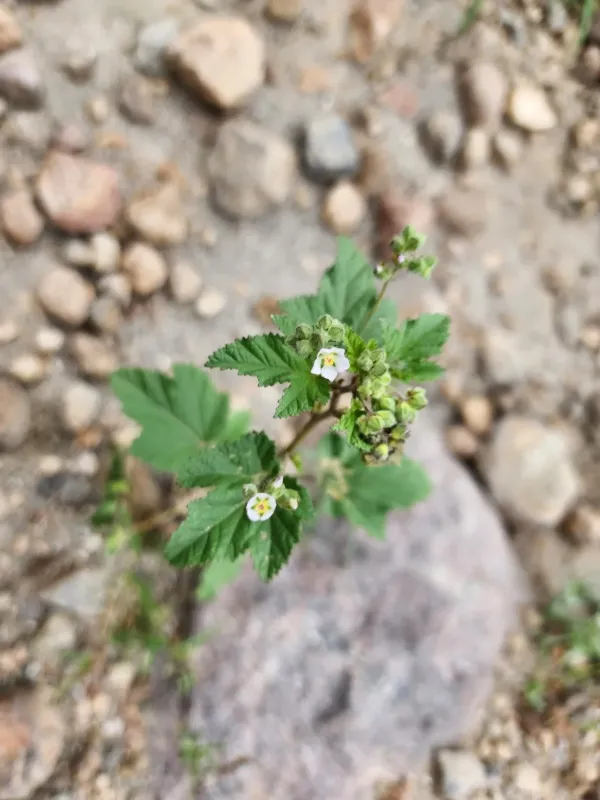
Description
Sowing dates
Sowing of Urocarpidium albiflorum is typically performed during the spring season once soil temperatures have consistently risen. Preparing a fine, uniform seedbed is essential, as the seeds are small and require close contact with soil particles to germinate effectively and maintain constant moisture.
The seeds should be sown at a shallow depth of approximately 1 to 2 centimeters. Using a row-seeding method with adequate spacing between rows helps in managing weed competition and allows for better air circulation throughout the crop canopy during the developmental stages.
Growing requirements
Urocarpidium albiflorum is an herbaceous plant belonging to the Malvaceae family. It is known for its adaptation to specific temperate and subtropical climates found in its native regions of South America, preferring well-drained, nutrient-rich soils that provide consistent moisture without waterlogging.
The plant thrives in full sun, which is necessary for maximizing biomass production and ensuring proper flowering. In agricultural practice, maintaining soil fertility through organic amendments or balanced mineral fertilization is crucial for sustaining the yield potential of the species over multiple growth cycles.
Water management is a key factor in successful cultivation. While the plant can withstand moderate fluctuations, consistent water availability is needed during the peak vegetative phase to ensure vigorous growth. Proper drainage is equally important to prevent root-zone stress and associated soil-borne diseases.
Main diseases and pests
Common pathological threats include fungal infections such as powdery mildew, which often appears when humidity levels are high or plants are crowded. Implementing effective crop rotation and utilizing preventative fungicide applications are standard practices to minimize these risks in commercial fields.
Insect pests, including aphids and various leaf-feeding larvae, can cause significant damage to the foliage. Integrated Pest Management (IPM) strategies, which prioritize monitoring and the use of targeted biological or chemical control agents, are recommended to protect the integrity of the harvest.