
Spirotheca rivieri
Spirotheca rivieri
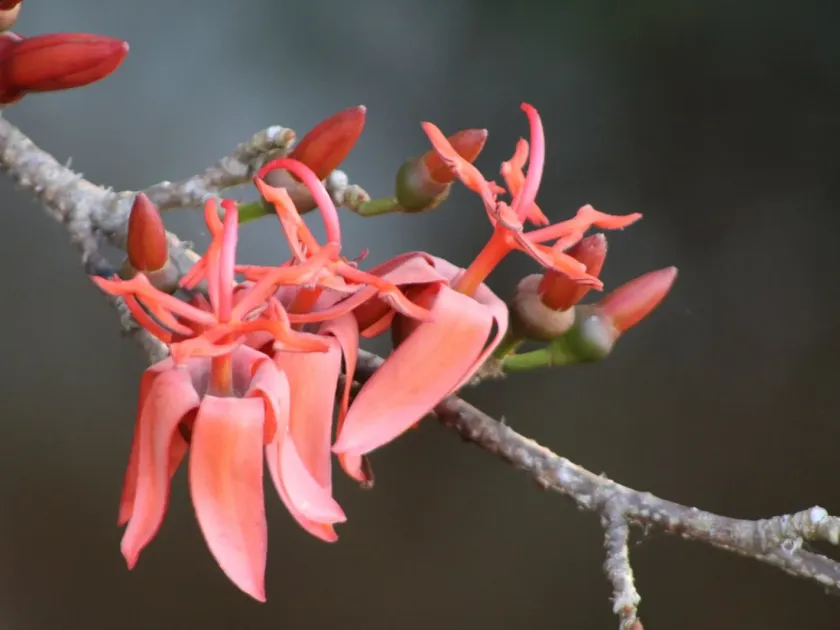
Description
Growing requirements
Spirotheca rivieri is a remarkable tropical tree belonging to the Malvaceae family. Botanically, it is closely related to the genus Ceiba, sharing similar structural traits such as robust trunks and the capacity to adapt to diverse tropical environments.
The native range of this species is located in the humid tropical regions of South America. It thrives in well-drained, nutrient-rich soils and requires consistent levels of humidity to maintain optimal metabolic activity throughout the growth season.
Climate requirements include a stable temperature range, as the tree is sensitive to cold. It is essential to protect the specimen from frost, as even mild temperatures below 10 degrees Celsius can damage the foliage and cause significant developmental stress.
Sunlight exposure is a critical factor for successful cultivation. Being a heliophilous species, it requires at least six to eight hours of direct sunlight daily to encourage vigorous branching and long-term vitality of the woody tissue.
Agricultural management involves regular irrigation during the dry season and periodic applications of balanced NPK fertilizers. Careful monitoring of soil pH is recommended to ensure that micronutrients remain bioavailable to the root system.
Harvesting
The primary economic use of Spirotheca rivieri is centered on ornamental landscape design, particularly in botanical gardens and large-scale public green spaces in tropical regions where the tree serves as a focal point for biodiversity.
Seed harvesting must be timed precisely with fruit maturity. The pods, which contain seeds embedded in fibrous material, must be collected before they dehisce naturally on the branches to ensure high germination rates for nursery propagation.
Propagation techniques primarily utilize seeds, which should be planted in light, sterile potting mixes to prevent soil-borne pathogen infections. Success in nurseries is often achieved through high-humidity chambers and controlled heating mats.
Maintenance of the tree includes regular pruning to remove dead or diseased branches, which facilitates structural integrity and reduces the likelihood of wind damage during the tropical storm season common in its native range.
While the tree is generally hardy, periodic inspections are necessary to ensure that it remains free from wood-boring insects and foliage-feeding pests, which can occasionally affect the growth vigor of younger, less established trees.