
Sidalcea malviflora
Sidalcea malviflora (DC.) A. Gray ex Benth.
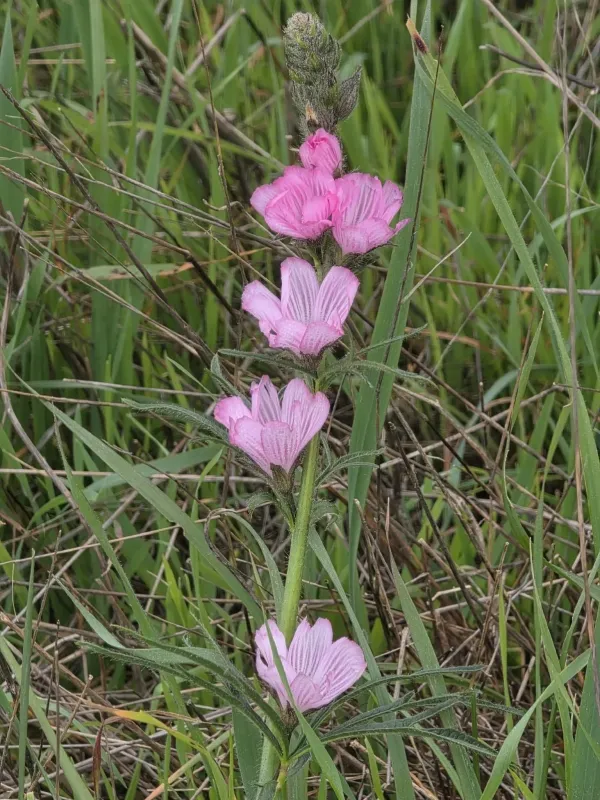
Description
Sowing dates
Sowing Sidalcea malviflora seeds is typically performed in early spring once the threat of severe frost has passed. Seeds benefit from a short period of cold stratification, which improves overall germination rates.
For indoor propagation, seeds should be sown in a well-draining seed-starting mix. Cover the seeds lightly with vermiculite, as they require a small amount of light to stimulate the germination process.
Maintain an ambient temperature between 18 and 21 degrees Celsius for the best results. Keep the growing medium consistently moist but not waterlogged to prevent damping-off diseases in seedlings.
Seedlings are ready for transplanting once they develop two sets of true leaves. Ensure they are gradually acclimated to outdoor conditions over a week before moving them to their permanent garden site.
Spacing is crucial for plant health; allow at least 30 to 45 centimeters between individual plants. This spatial arrangement ensures adequate air circulation, which reduces the incidence of common leaf diseases.
Growing requirements
Sidalcea malviflora, commonly known as the checkerbloom, is a herbaceous perennial belonging to the Malvaceae family. It is native to Western North America, specifically found in moist meadows and grasslands.
The plant thrives in full sun but tolerates partial shade in regions with intense summer heat. Proper light exposure is essential for maintaining the structural integrity of the flower spikes.
Soil requirements include well-draining, moderately fertile soil with a neutral to slightly acidic pH. While the plant appreciates moisture, it will not survive in heavy, compacted soils that remain waterlogged for long periods.
Regular irrigation is vital during the establishment phase and throughout the peak flowering season. Adding a layer of organic mulch around the base of the plant helps retain soil moisture and suppresses weed growth.
Climatic requirements are relatively broad, as the species is hardy in most temperate zones. During harsh winters, a light mulch layer is recommended to protect the crown of the plant from extreme temperature fluctuations.
Main diseases and pests
The primary threats to Sidalcea malviflora involve fungal pathogens, such as powdery mildew and rust, especially in areas with high humidity and limited airflow. Proper spacing and site selection are the best preventative measures.
Insects like aphids and spider mites can occasionally affect the foliage. Early detection through regular monitoring allows for targeted management using insecticidal soaps or organic oil-based treatments.
Root rot remains a concern if the plant is grown in poorly drained soil. Ensuring that the planting site has been properly prepared with organic matter and drainage materials can mitigate this risk effectively.
Sanitation practices, including the removal of dead foliage at the end of the season, are essential for preventing the carry-over of pests and diseases from one year to the next.
Maintaining balanced plant vigor through appropriate fertilization prevents stress-related susceptibility. Healthy, well-nourished plants are naturally more resilient to minor pest infestations and localized infections.