
Pentapetes phoenicea
Pentapetes phoenicea
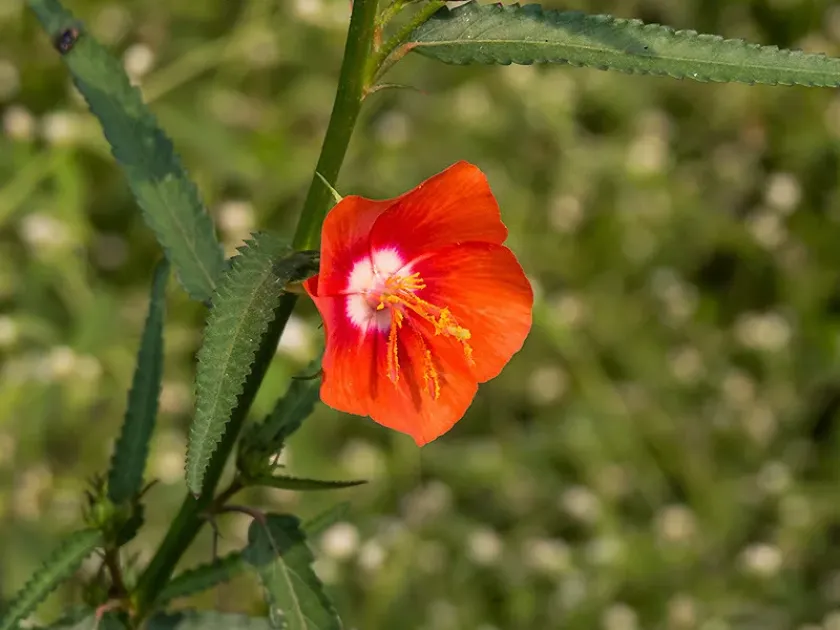
Description
Sowing dates
Pentapetes phoenicea is a heat-loving annual that requires warm soil to germinate, so seeds should only be sown outdoors once all danger of spring frost has completely passed.
The optimal time for direct sowing is late spring, typically late May or early June, when soil temperatures consistently reach at least 20°C to ensure successful seedling emergence.
For gardeners in regions with shorter growing seasons, starting seeds indoors 6 to 8 weeks before the last frost date is recommended to ensure the plants reach maturity and bloom effectively.
Seeds should be covered with a thin layer of soil, not deeper than 1 cm, as they require light to germinate properly and should be kept consistently moist but not waterlogged.
Spacing is essential for this plant; thin the seedlings or plant them at least 30 to 40 cm apart to allow for adequate air circulation, which helps reduce the risk of humidity-related issues.
Growing requirements
As a member of the Malvaceae family, this species thrives in tropical climates and requires a sunny, sheltered location with protection from strong, drying winds to perform its best.
The plant performs optimally in rich, well-draining soils with a neutral pH, as it is particularly sensitive to water stagnation, which can lead to quick root rot in heavy clay soils.
Adequate watering is necessary throughout the growing season, particularly during the hot mid-summer months when the plants are actively forming their vibrant red blooms.
Regular fertilization with a balanced, potassium-rich liquid feed will support the development of numerous flowers throughout the season and enhance the overall health of the plant.
Due to its tropical origin, the species prefers consistent warmth; cold nights can cause stunted growth, so site selection should focus on areas that retain heat throughout the day.
Main diseases and pests
The most common pests affecting this culture include spider mites and aphids, which are particularly attracted to the plant during periods of high heat and low humidity.
Fungal issues, such as powdery mildew, may occur if plants are overcrowded or if the canopy remains damp due to improper watering practices or poor air circulation.
Root rot is a major threat caused by over-irrigation or planting in poorly drained soil, which can rapidly weaken the root system and lead to sudden plant decline.
Effective management strategies include early identification of pest colonies and applying appropriate organic or systemic treatments to protect the plant during its peak blooming cycle.
Maintaining a clean growing area by regularly removing debris and weeds helps to prevent the spread of soil-borne pathogens and ensures a healthier environment for the plant.