
Carolina mallow
Modiola caroliniana
Description
Sowing dates
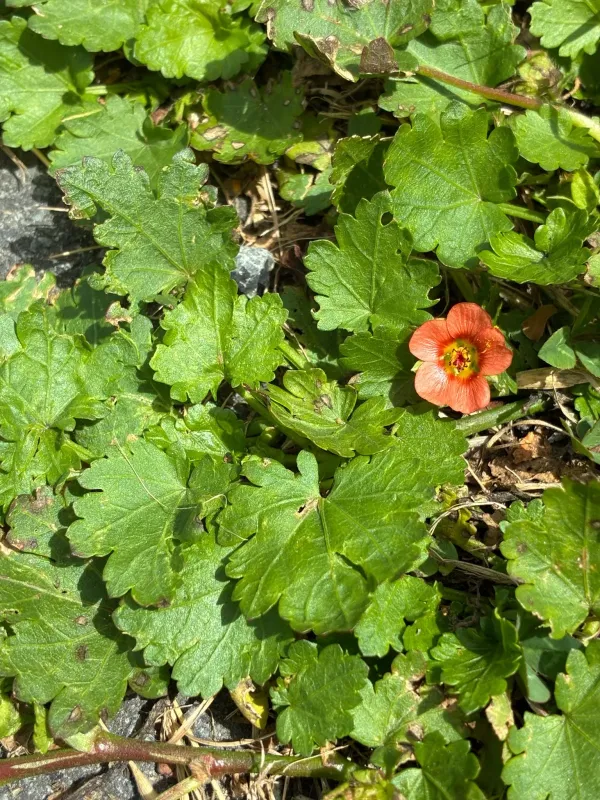
Modiola caroliniana, commonly known as Carolina mallow, is a prostrate perennial or annual herb of the Malvaceae family. Sowing is typically performed in late spring once the soil temperature is consistently above 15 degrees Celsius.
The seeds should be sown shallowly, ideally at a depth of 1 cm, as they require adequate surface contact with moisture to germinate successfully. Precise spacing is key to establishing a uniform ground cover.
In many regions, this plant is known for its opportunistic growth. Farmers often broadcast the seeds in early spring to utilize the remaining soil moisture for rapid germination.
Due to its trailing habit, the plant spreads by rooting at the nodes, which significantly reduces the need for frequent re-seeding in the following seasons.
The plant exhibits high vigor, allowing it to compete effectively with other ground-level vegetation shortly after the emergence stage, which is a major advantage for weed management strategies.
Growing requirements
Carolina mallow thrives in full sun exposure. While it is adaptable to partial shade, its vegetative biomass and total photosynthetic output are significantly maximized under direct sunlight conditions.
The plant prefers fertile, moist, and well-draining soils. It is particularly successful on loamy substrates that maintain moisture but prevent waterlogging around the root zone.
Regarding soil pH, the species prefers slightly acidic to neutral environments. Soils with extreme alkalinity can lead to nutrient deficiencies, specifically manifesting as yellowing of the foliage.
While the species is relatively drought-tolerant once established, supplemental irrigation is necessary during prolonged dry spells to ensure optimal growth and continuous development.
Climate management is essential; as a species of subtropical origin, it prefers warm climates and is often damaged by severe, prolonged frost, which may force it to behave as an annual.
Main diseases and pests
Typical pests affecting Modiola caroliniana include various species of aphids and spider mites, which can proliferate rapidly, especially when the plant is under moisture stress.
Fungal diseases, including powdery mildew and various leaf spot pathogens, are common in humid conditions with poor air circulation between the dense plant mats.
Integrated pest management strategies should focus on maintaining adequate space between plants to allow for airflow, which significantly reduces the incidence of moisture-related diseases.
Monitoring for signs of chlorosis or unusual spots on leaves is critical for early detection of both biotic and abiotic stressors that could compromise the health of the stand.
In cases of heavy infestation, cultural controls such as rogueing and thinning are preferred to avoid the reliance on chemical pesticides, particularly when the stand is utilized for forage.
Harvesting
When cultivated for biomass or forage, harvesting should occur just before the plant reaches its peak flowering stage to ensure the highest nutritional value and digestibility.
Mechanical harvesting is generally feasible using standard equipment, though the prostrate nature of the stems requires low-profile cutting blades to maximize yield.
Post-harvest management involves rapid drying or ensiling, as the high water content of the tissues makes them susceptible to rapid fermentation and spoilage if left in heaps.
If the goal is seed collection, harvesting should be timed after the seed pods have turned brown and reached maturity, but before they undergo natural dehiscence to avoid yield losses.
Proper storage of the harvested material is essential to maintain quality, requiring cool and dry conditions to prevent the growth of molds or secondary pathogens.