
Kitaibela vitifolia
Kitaibela vitifolia
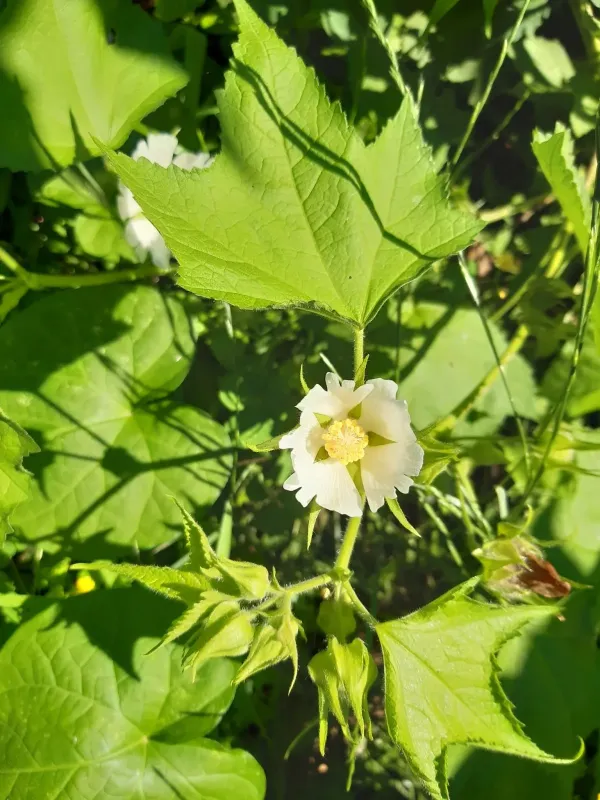
Description
Growing requirements
Kitaibela vitifolia, commonly known as the grapevine-leaved kitaibela, is a perennial flowering plant belonging to the Malvaceae family. Native to the Balkan Peninsula, this robust herb is recognized for its impressive size and foliage, which resembles that of a grapevine.
Botanically, the plant is characterized by its large, lobed leaves and white to pale pink hibiscus-like flowers. It serves as an excellent structural plant in garden borders due to its height, which can reach up to two meters under optimal growing conditions.
Successful cultivation requires a site with well-drained, nutrient-rich soil. While it tolerates various soil types, loamy and moist soils are preferred. It is crucial to ensure that the planting site is sheltered from strong, drying winds that could damage the foliage.
Sunlight requirements are flexible, ranging from full sun to partial shade. However, in regions with intense summer heat, afternoon shade is beneficial to prevent leaf scorch and maintain the overall health of the plant throughout the growing season.
Annual maintenance involves applying compost or balanced fertilizers in early spring to support vigorous growth. Watering should be consistent, especially during dry spells, to maintain soil moisture without creating waterlogged conditions that could harm the root system.
Main diseases and pests
Kitaibela vitifolia is generally hardy and resilient, but it is susceptible to specific problems if environmental conditions are suboptimal. The most common threat is root rot, which occurs when the soil remains too wet for extended periods.
Powdery mildew is another significant concern, especially during seasons with high humidity and poor air circulation. This fungal disease appears as a dusty white coating on leaves and can weaken the plant if left untreated for long periods.
Slugs and snails can cause damage to tender new growth, particularly in the spring. Implementing barrier methods or using organic pellets can effectively manage these pests and protect the aesthetic appeal of the foliage from unsightly holes.
Aphids might occasionally colonize the flower buds, extracting sap and potentially affecting flowering. Monitoring the plants during dry weather is essential to detect early infestations and intervene with gentle horticultural soaps or insecticidal sprays.
To ensure long-term plant health, maintain proper spacing between specimens to facilitate air circulation. Promptly removing any diseased leaves or branches is a standard practice to prevent the spread of pathogens throughout the planting area.