
Cola lepidota
Cola lepidota
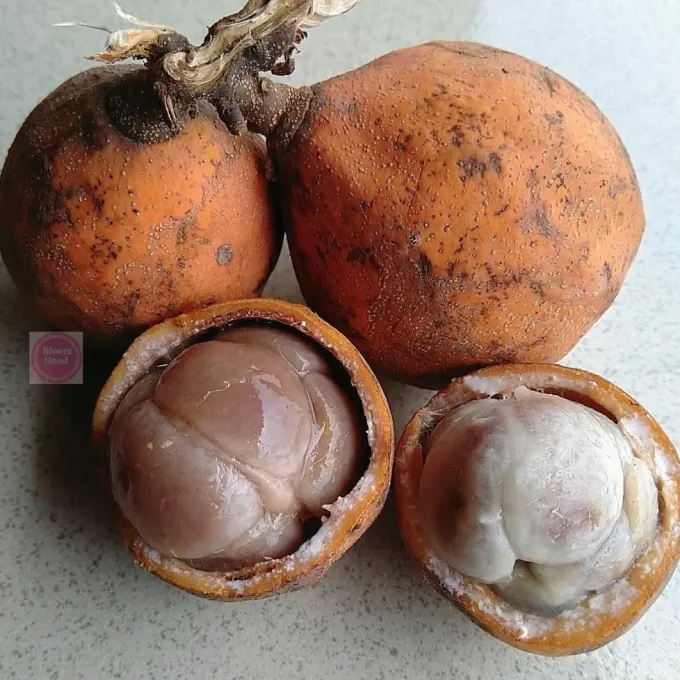
Description
Sowing dates
Propagation is primarily achieved through seeds, as they quickly lose viability once removed from the fruit. Fresh seeds should be sown immediately in nursery beds or prepared seedling trays.
Seeds are planted at a depth of 2–3 cm in a nutrient-rich substrate. Consistent moisture is crucial during the germination phase, which typically takes between 3 to 5 weeks under warm, stable conditions.
Once seedlings develop their first true leaves, they are transferred to individual nursery containers. They are typically ready for field transplanting when they reach a height of 40–50 cm, usually after 8 to 12 months.
Spacing on plantations is generally set at 6–8 meters apart. This density ensures that mature trees have sufficient space to develop their broad canopy without excessive competition for sunlight and soil nutrients.
While vegetative propagation through cuttings is technically feasible, it requires strict environmental control, including high humidity and the use of rooting hormones to overcome the slow growth rate of young shoots.
Growing requirements
Cola lepidota is a tropical evergreen tree belonging to the Malvaceae family. It is native to the rainforest regions of West and Central Africa, where it thrives in the dense, humid understory of the forest canopy.
The species requires a tropical climate with temperatures consistently between 24°C and 30°C. It is strictly sensitive to frost and prolonged dry seasons, necessitating environments with high annual rainfall to sustain growth.
The ideal soil for this crop is deep, well-drained, and rich in organic matter. Sandy loams or clay loams with a slightly acidic pH (5.5 to 6.5) provide the necessary nutrient availability and moisture retention required for optimal development.
Young trees prefer partial shade, which is naturally provided by taller canopy trees. In cultivated settings, farmers often plant shade-loving crops under the tree's canopy or intercrop to mimic the natural ecological structure.
Beyond its botanical interest, Cola lepidota serves as an important economic plant for local communities, providing seeds used as mild stimulants, as well as high-quality timber for local artisanal woodcraft.
Main diseases and pests
The main threats to Cola lepidota include wood-boring beetles and various species of weevils that can damage the trunk and mature fruits, leading to decreased yields and wood quality.
Fungal diseases, such as leaf spot and various types of root rot, often occur in plantations with poor ventilation or stagnant water conditions, necessitating proper spacing and drainage management.
Sanitation is a critical control measure. Regular removal of dead or infected branches and the prompt collection of fallen fruit help prevent the spread of fungal pathogens and attractants for insect pests.
Termites can be particularly destructive to young saplings. Protective barriers or regular monitoring of the base of the trees are recommended to mitigate the risk of severe damage during the early growth stages.
Promoting biodiversity within the plantation helps maintain natural populations of predatory insects, which serve as biological control agents against common foliage-feeding pests.
Harvesting
Harvesting is performed manually once the fruits reach full maturity. Mature fruits are identified by their characteristic change in color and the distinct aromatic scent they produce.
Care must be taken during harvest to avoid damaging the fruiting buds or branches, as this can negatively impact the tree's productivity for the following season. Sharp tools are recommended for clean cuts.
After collection, the fruits are processed by removing the seeds from the fleshy pulp. The seeds are then cleaned and prepared for consumption or local trade, often involving a drying process to prevent mold.
Proper drying in shaded, ventilated areas is essential to preserve the quality of the seeds. Once dried, they should be stored in cool, dry conditions to maintain their chemical properties and freshness.
The annual yield per mature tree varies based on soil quality, rainfall, and management intensity, generally ranging from 15 to 30 kilograms of seeds under optimal tropical conditions.