
Byttneria aculeata
Byttneria aculeata
Description
Growing requirements
Byttneria aculeata is a perennial woody vine belonging to the Malvaceae family. Known for its distinctively thorny stems, this plant acts as a climber in tropical forest ecosystems, utilizing its structures to reach higher levels of the forest canopy to obtain sunlight.
Native to the tropical regions of the Americas, this species thrives in environments characterized by high humidity and tropical temperatures. Its natural distribution spans vast areas from Central to South America, where it prefers dense, moisture-rich understories.
When cultivated, the plant demands well-drained, nutrient-rich soil. It is intolerant of waterlogged conditions, which can quickly lead to root decay. Successful cultivation requires a balance of organic matter in the substrate and a consistent irrigation schedule that mimics natural rainfall patterns.
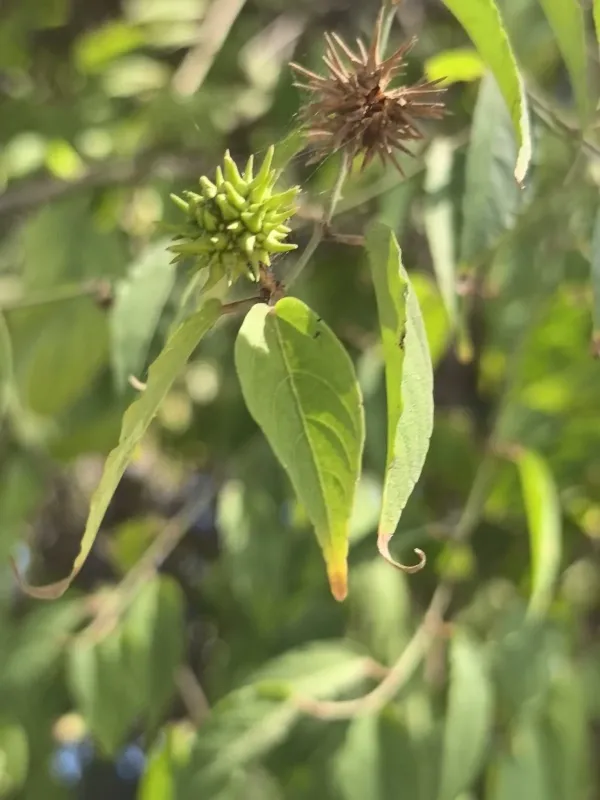
Botanically, Byttneria aculeata is characterized by simple, alternate leaves and small flowers that develop into complex fruit structures. The thorns found along the stems are not just defensive; they are essential for the plant's architecture, allowing it to anchor securely to support trees.
From an agricultural and economic perspective, the species is valued for its pharmacological potential. Research indicates that various parts of the plant, particularly the bark, contain phytochemicals used in traditional medicine to address inflammatory conditions and other physiological ailments.
Main diseases and pests
The primary threats to Byttneria aculeata include various fungal pathogens that thrive in high-humidity cultivation settings. Root rot and stem blights are the most critical diseases, requiring constant monitoring of soil moisture levels and good ventilation to prevent spore proliferation.
Pest issues include lepidopteran larvae that target the foliage, as well as sap-sucking insects like aphids or spider mites. If left uncontrolled, these pests can cause significant damage to the plant's photosynthetic capacity, leading to weakened stems and stunted overall growth.