
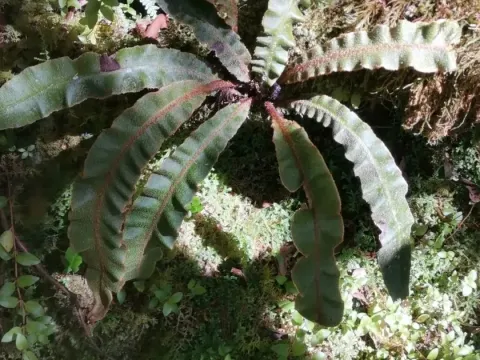
Elaphoglossum
Elaphoglossum
Elaphoglossum is a diverse genus of ferns belonging to the family Polypodiaceae. These plants are typically found as epiphytes or lithophytes in tropical and subtropical regions across the Americas, Africa, and the Indian Ocean islands.
What the section contains
 Elaphoglossum apodum
Elaphoglossum conforme
Elaphoglossum conforme
Elaphoglossum apodum
Elaphoglossum apodum
Elaphoglossum conforme
Elaphoglossum conforme
 Elaphoglossum eximium
Elaphoglossum eximium
Elaphoglossum eximium
 Elaphoglossum hybridum
Elaphoglossum hybridum
Elaphoglossum hybridum
 Elaphoglossum latifolium
Elaphoglossum latifolium
Elaphoglossum latifolium
 Elaphoglossum metallicum
Elaphoglossum metallicum
Elaphoglossum metallicum
 Elaphoglossum paleaceum
Elaphoglossum paleaceum
Elaphoglossum paleaceum
 Elaphoglossum peltatum
Elaphoglossum peltatum
Elaphoglossum peltatum
Elaphoglossum
The botanical structure of Elaphoglossum is marked by simple, entire, and often coriaceous (leathery) fronds. A defining characteristic of this genus is dimorphism: the fertile fronds are morphologically distinct, usually narrower and longer, and are dedicated to sporulation.
Cultivation requires strict adherence to high humidity levels, ideally maintained between 70% and 80%. These ferns thrive best in enclosed terrariums or greenhouses, where the microclimate can be tightly regulated to prevent dehydration of the fronds.
The potting medium must be porous, well-draining, and slightly acidic. A mix consisting of orchid bark, sphagnum moss, perlite, and a small portion of peat moss provides the necessary structure to support root aeration and prevent compaction.
Elaphoglossum plants prefer filtered, indirect light. Direct sunlight can cause severe scorching of the leathery fronds, while low light conditions result in stunted growth and a significant reduction in the density of the foliage.
Scale insects are the most common pests found on Elaphoglossum. Due to their ability to blend in with the leaf surface, infestations are often detected only after significant damage has occurred to the fronds' integrity.
Root rot, driven by overwatering or poorly drained substrates, is a primary threat to these ferns. Prolonged exposure to saturated conditions kills the roots, making it impossible for the plant to recover even after the moisture levels are corrected.
Mealybugs can be problematic in stagnant air conditions. These pests hide in the crevices of the rhizome and along the base of the fronds, where they extract plant sap and attract secondary fungal infections.
Leaf spot diseases often occur when water lingers on the leaves in environments with poor air circulation. These infections manifest as necrotic spots that progressively expand if not treated with appropriate systemic fungicides.
Preventive care involves proper hygiene, keeping the substrate lightly moist but never waterlogged, and ensuring consistent ventilation to deter both fungal growth and insect colonisation.