
Elaphoglossum conforme
Elaphoglossum conforme
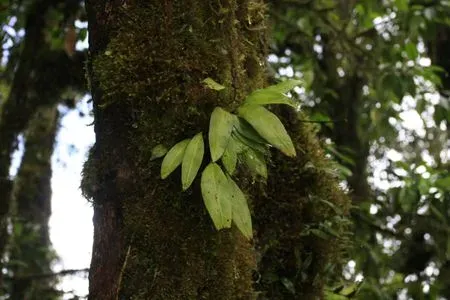
Description
Growing requirements
Elaphoglossum conforme is a notable fern species within the Lomariopsidaceae family, characterized by its unique morphology and epiphytic nature. It is native to tropical and subtropical regions, primarily found in Africa and various islands of the Atlantic and Indian Oceans, where it thrives in humid habitats.
The plant features distinct, leathery, and entire leaves with a deep green color, offering a glossy finish that makes it visually appealing. Its rhizome is typically creeping, enabling the plant to establish itself securely on substrates such as tree trunks or rocky surfaces in its natural ecosystem.
Cultivation of this species requires strict adherence to environmental conditions, specifically high humidity levels and filtered, indirect lighting. To maintain its health, growers must avoid direct sunlight, which can quickly dehydrate the leaves and cause irreversible damage to the leaf tissue.
The soil medium should mimic the natural environment of an epiphyte, consisting of a well-aerated mixture such as sphagnum moss, orchid bark, and porous charcoal. Effective drainage is a critical component of the cultural regime to prevent root rot caused by stagnant water in the pot.
In a horticultural context, Elaphoglossum conforme is utilized mainly for decorative purposes in indoor gardens, terrariums, and specialized conservatory collections. Its elegant and minimalist appearance makes it a sought-after specimen for enthusiasts of rare tropical foliage plants.
Main diseases and pests
Pests such as scale insects and spider mites are the most common adversaries for this plant, especially when ambient humidity drops below optimal levels. Routine inspection of the leaf surface is recommended to ensure that any potential infestation is managed in its early stages.
Fungal infections often stem from poor ventilation and chronic overwatering, leading to leaf spots or root necrosis. Preventive measures include ensuring good airflow around the foliage and utilizing appropriate fungicides when signs of pathogen growth appear on the lower leaf surfaces.