
Lonchocarpus domingensis
Lonchocarpus domingensis
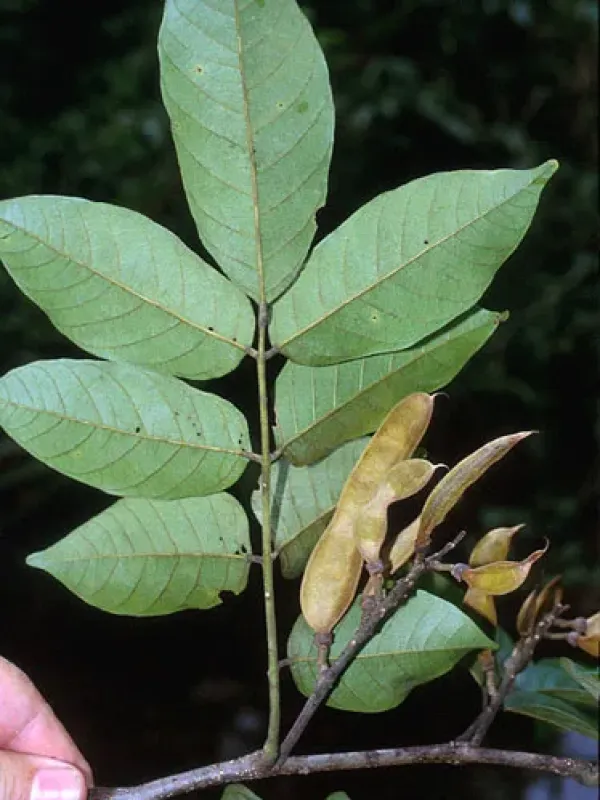
Description
Sowing dates
Lonchocarpus domingensis is a species belonging to the Fabaceae (legume) family. This perennial woody plant typically propagates via seeds in its natural tropical habitat.
In nursery settings, seeds are sown in a rich, organic substrate. The optimal sowing time corresponds to the beginning of the rainy season to ensure a stable moisture supply for germination.
Seeds require scarification of the seed coat to facilitate water absorption and accelerate emergence. Under constant warm temperatures between 25 and 28 degrees Celsius, seedlings usually emerge within a few weeks.
Once seedlings reach a height of 30-40 centimeters, they are ready for transplantation to their permanent location. Proper spacing is crucial to allow the tree to develop its characteristic wide canopy.
Initial establishment requires regular maintenance of the soil around the root zone. Protecting young trees from harsh direct sunlight during the first two years is recommended to reduce transplant stress.
Growing requirements
This crop thrives in tropical climates characterized by high humidity and warm temperatures. It is sensitive to frost and extreme cold, limiting its cultivation to tropical and subtropical zones.
The ideal soil profile for Lonchocarpus domingensis consists of well-drained loams or red soils with a slightly acidic pH. Waterlogging is detrimental and must be avoided to prevent root damage.
The species is light-demanding and performs best when planted in open areas with full sun exposure. Shaded environments tend to restrict growth rates and timber development.
While the tree shows moderate drought tolerance once established, it prefers consistent rainfall patterns. In areas with prolonged dry seasons, supplemental drip irrigation is beneficial.
Regular fertilization with phosphorus and potassium is advised to support healthy wood development. Mulching the base helps retain soil moisture and improves overall soil structure.
Main diseases and pests
The primary threats to this crop include various insect pests, such as leaf-eating beetles and weevils. Infestations can lead to significant defoliation if left unmanaged.
High humidity and poor air circulation within the canopy increase the risk of fungal infections, such as leaf spot. Strategic pruning is essential to improve airflow and reduce humidity-related stress.
Root rot represents a critical concern, especially in heavy or poorly drained soils. Pathogens often enter the root system through mechanical injuries or waterlogged tissues.
Integrated pest management (IPM) practices, including the use of beneficial insects, are highly recommended to maintain healthy plantations without over-relying on synthetic chemicals.
- Frequent monitoring for early signs of pest damage.
- Proper drainage management to prevent stagnant water.
- Application of organic fungicides if fungal spread is detected.
Harvesting
Harvesting the resources provided by this tree is a long-term process. Commercial utilization typically begins 10 to 15 years after initial planting, depending on growth rates.
The harvesting of bark or secondary metabolites requires careful manual procedures to ensure the long-term survival of the tree. Sustainable harvesting techniques, such as partial stripping, are strictly employed.
Post-harvest, raw materials are dried under controlled conditions in the shade to preserve the integrity of active ingredients. Rapid processing is necessary to prevent spoilage.
If the plantation is maintained for environmental conservation or ornamental purposes, harvesting is minimal or non-existent, focusing instead on pruning for tree health.
Final product classification involves quality control checks to meet industrial standards before the materials are marketed or exported for further refinement.