
Elaphoglossum peltatum
Elaphoglossum peltatum
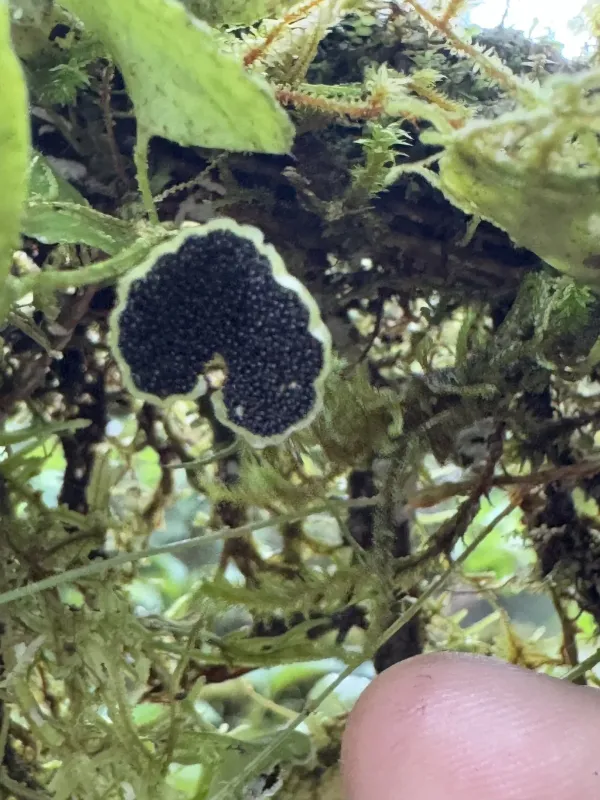
Description
Growing requirements
Elaphoglossum peltatum is a member of the Polypodiaceae family, recognized as a distinctive epiphytic fern. Native to the tropical rainforests of Central and South America, it naturally inhabits the trunks and branches of trees in humid, shaded environments.
Successful cultivation requires high humidity levels, ideally maintained between 70% and 80%. As an epiphyte, this fern struggles in standard indoor environments, making it an excellent candidate for terrariums or specialized greenhouse setups where humidity can be controlled.
The potting medium must be extremely well-draining, mimicking the forest canopy environment. A mix of shredded bark, long-fiber sphagnum moss, and perlite or charcoal is recommended to ensure adequate airflow around the root system.
Temperature consistency is vital for the health of Elaphoglossum peltatum, preferring a range of 18–25 degrees Celsius. Avoid placing the plant near heating vents or in areas prone to cold drafts, as sudden shifts can cause significant leaf stress.
Bright, indirect light is essential for optimal growth. While it is shade-tolerant, providing filtered light will encourage more robust frond development and maintain the plant's natural vibrant appearance throughout the growing season.
Main diseases and pests
Root rot is the most significant threat to this fern, caused primarily by overwatering and a compacted substrate. Ensuring the potting medium remains moist but never waterlogged is the key to preventing the decay of its rhizome structure.
Common household pests, particularly spider mites and scale insects, often target the underside of the fronds. If the environment becomes too dry, these pests can quickly colonize the plant and sap its vital energy.
Fungal pathogens may emerge if air circulation is insufficient within the growing space. Regular, gentle air movement helps prevent the accumulation of moisture on frond surfaces, which significantly lowers the risk of black spots and leaf blight.
Mineral buildup in the substrate resulting from tap water usage can be toxic to epiphytes. It is highly recommended to use distilled or reverse-osmosis water to keep the root environment clean and free from harmful salt deposits.
Nutrient deficiency, indicated by yellowing fronds, should be addressed with diluted, balanced liquid fertilizers applied sparingly. Over-fertilizing can easily burn the delicate roots, so moderate application is always safer for this sensitive species.