
Elaphoglossum metallicum
Elaphoglossum metallicum
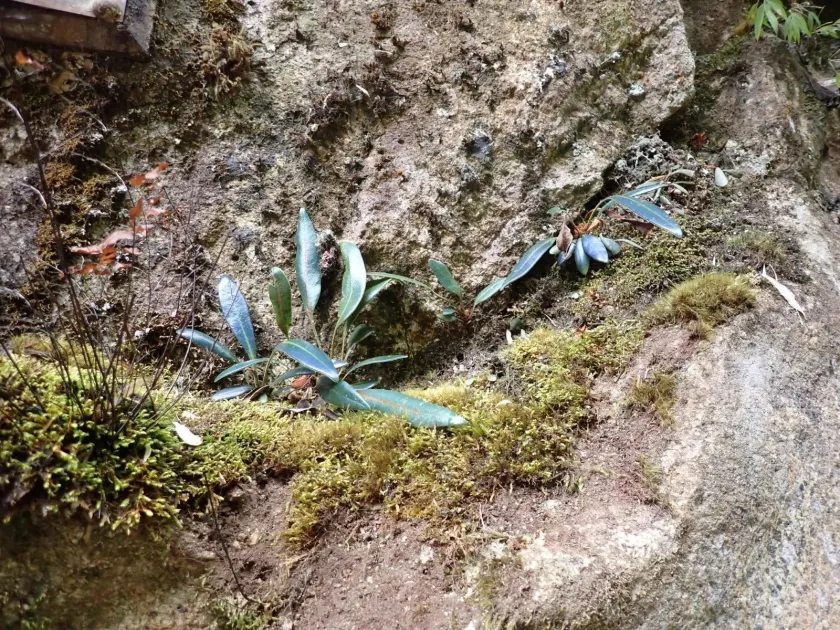
Description
Growing requirements
Elaphoglossum metallicum is a fascinating species belonging to the Polypodiaceae family. Native to tropical regions of the Americas, this fern is known for its distinct metallic sheen on its thick, lanceolate fronds.
In cultivation, this plant requires high humidity levels, ideally above 60-70 percent. It is best suited for greenhouse environments, terrariums, or indoor locations where microclimate conditions can be strictly controlled.
The substrate must be well-draining yet moisture-retentive. A mix consisting of orchid bark, peat moss, and perlite is often recommended to mimic the epiphytic conditions in which the fern thrives in the wild.
Temperature management is essential for healthy development. The optimal range lies between 18 and 24 degrees Celsius. It is vital to protect the plant from extreme heat fluctuations and cold air blasts from windows or air conditioning units.
Light intensity should be kept low to moderate. As an understory plant in its natural habitat, it performs best in indirect, diffused lighting; direct morning or afternoon sun will quickly bleach and burn the foliage.
Main diseases and pests
The most common threat to this fern is root rot caused by stagnant water in the pot. It is imperative to use containers with sufficient drainage holes and avoid allowing the rhizome to sit in water for prolonged periods.
Pests like scale insects can hide along the midrib of the fronds. Regular inspection of the plant is necessary to catch infestations early, as scale insects are notoriously difficult to eradicate once they establish a colony.
Spider mites are another common issue, especially in dry environments. If the air humidity drops, these pests can multiply rapidly, leading to yellowing or dulling of the metallic leaves.
Fungal pathogens often manifest as brown or black spots on the leaves. This usually indicates high humidity combined with poor airflow, highlighting the need for gentle, constant ventilation around the plant.
Effective management includes maintaining hygiene by promptly removing yellowing or damaged fronds. Using a fungicide occasionally as a preventative measure can help keep the plant robust against common leaf diseases.