
Elaphoglossum paleaceum
Elaphoglossum paleaceum
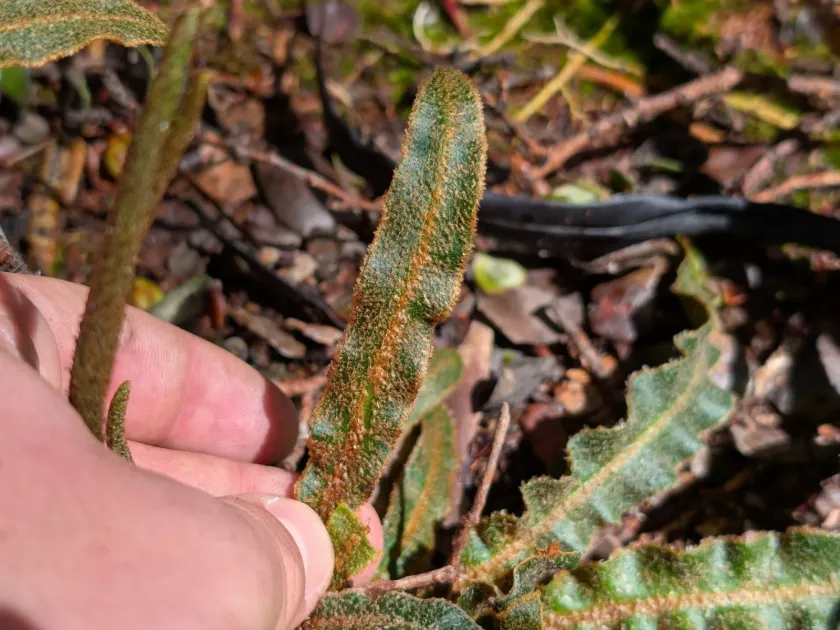
Description
Growing requirements
Elaphoglossum paleaceum is a distinctive epiphytic fern belonging to the Dryopteridaceae family. Native to the tropical regions of Central and South America, it thrives in high-altitude cloud forests where moisture levels remain consistently high.
The plant is prized for its long, leathery fronds which are covered in dense scales, giving it a unique metallic or silvery appearance. These scales are not merely aesthetic; they serve as a specialized mechanism to capture moisture and nutrients from the atmosphere.
Cultivation requires filtered, indirect light. Exposure to direct sunlight can severely damage the fronds, leading to leaf scorch and degradation of the plant's delicate texture. A location with consistent temperature levels between 18°C and 24°C is optimal.
The growing medium must be highly porous to ensure rapid drainage. A mixture composed of orchid bark, sphagnum moss, and perlite works best for this species, as it mimics the natural substrate found on the branches of host trees in the wild.
Humidity management is the most critical aspect of the plant's husbandry. Maintaining a humidity level of 60% or higher is necessary for the plant to thrive. Frequent misting with deionized or rainwater is recommended to keep the foliage hydrated.
Main diseases and pests
The most significant threat to this fern is root rot caused by stagnant water in the substrate. If the roots are left in a waterlogged condition for an extended period, the plant becomes susceptible to pathogenic fungi, often leading to total collapse.
Pests such as spider mites are highly prevalent, especially in indoor environments with low airflow. These pests thrive in dry air and can quickly infest the underside of the fronds, causing yellowing and premature leaf drop.
Scale insects can also infest the stems and base of the leaves. Manual removal combined with the application of horticultural oils or systemic insecticides is usually necessary to control these infestations effectively.
Nutrient deficiencies or improper pH levels in the irrigation water can manifest as chlorosis. It is vital to use soft, low-mineral water, as this species is particularly sensitive to the accumulation of salts and heavy minerals in its tissue.
Botrytis and other leaf spot diseases may appear if the foliage remains wet for too long in cool conditions. To prevent this, ensure that the plant is kept in an area with good ventilation to allow surface moisture to evaporate after misting.