
Mitrasacme alsinoides
Mitrasacme alsinoides
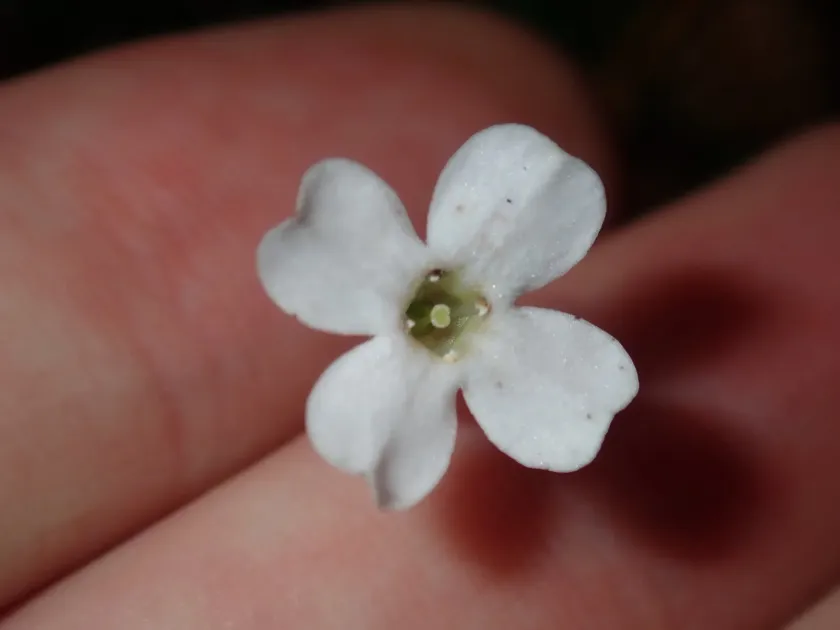
Description
Sowing dates
Mitrasacme alsinoides is a herbaceous annual plant belonging to the Loganiaceae family. Its life cycle is intricately tied to seasonal rainfall patterns in its native tropical and subtropical ranges.
Seed germination typically occurs following the onset of the wet season, as moisture triggers the biological clock of the plant. In artificial cultivation, consistent moisture and heat are critical for successful seedling emergence.
The plant exhibits a rapid development phase, moving from germination to flowering within a few months. This short cycle allows it to capitalize on transient environmental windows.
Cultivation practices involve sowing seeds in a fine, well-aerated substrate. Because the seeds are tiny, surface sowing with light pressure is usually sufficient to ensure successful integration with the soil.
The spacing of the crop should be managed to ensure adequate airflow, which is crucial for reducing humidity-related diseases during the intensive vegetative growth period.
Growing requirements
This species thrives in moist, sandy, or loamy soil types. It is particularly well-adapted to habitats where water availability is consistent but not stagnant, such as meadows or riverbanks.
Climate requirements include high ambient temperatures and humidity. Mitrasacme alsinoides is not cold-hardy, and frost or prolonged cold snaps will inevitably destroy the plant's delicate structures.
Soil pH preference is generally in the slightly acidic to neutral range. While the plant can tolerate nutrient-poor soils, organic supplementation can significantly improve biomass production.
Irrigation must be carefully calibrated. While the plant prefers damp conditions, a drainage system is essential to prevent waterlogging, which often leads to root hypoxia and pathogen infestation.
Exposure to full sunlight is preferred, though the plant can adapt to partial shade. Maintaining a consistent temperature range is more important than specific light intensity variations.
Main diseases and pests
Root rot caused by fungal pathogens is the primary threat to Mitrasacme alsinoides. This is often exacerbated by poor drainage and excessive moisture during the development stage.
Pests, particularly aphids, can infest the foliage, leading to stunted growth. Frequent monitoring and the use of insecticidal soaps are common strategies in small-scale managed environments.
Weed competition represents a significant challenge to the crop. Because it is relatively small-statured, it can be easily outcompeted by invasive weeds if the growing site is not kept clean.
Nematodes in the soil can also pose a risk to the root system, causing severe depletion of the plant's vigor. Rotation of growing sites is recommended to prevent the buildup of soil-borne pests.
Fungal leaf spots may occur in high-humidity environments. Improving ventilation and reducing foliage wetting during irrigation can help mitigate these issues effectively.