
Mitrasacme indica
Mitrasacme indica
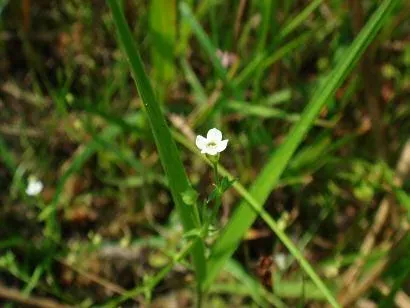
Description
Growing requirements
Mitrasacme indica is a small, herbaceous plant belonging to the Loganiaceae family. It is widely recognized in botanical circles for its role as a hardy colonizer in various moist, open environments throughout the tropics and subtropics.
The plant thrives in regions with high humidity and significant rainfall, typically found in areas such as wet meadows, open forest clearings, and the edges of rice paddies. It requires ample sunlight to develop its characteristic structure and reproductive organs.
In terms of soil requirements, Mitrasacme indica prefers well-drained, sandy or loamy soils that can retain enough moisture to support a short, intense growing season. It is particularly successful in areas where the soil remains damp after seasonal rains.
The natural range of this species is quite extensive, spanning across South and Southeast Asia, including countries like India, China, and Indonesia, and extending into northern Australia. Its ability to adapt to these diverse regions demonstrates its robust biological nature.
As an annual species, it completes its full life cycle within a single season. Its lifecycle is synchronized with the monsoon period, ensuring that the seeds are dispersed during times of optimal soil and moisture conditions for germination.
Main diseases and pests
Mitrasacme indica generally exhibits a high level of resilience to common plant diseases found in its native environment. Most potential issues arise only when the plant is subjected to significant environmental stress or forced competition.
Competition from aggressive, tall-growing weed species poses the most significant threat to individual plant health. Because it is a relatively small plant, it is easily shaded out and outcompeted for nutrients in overly fertile or neglected habitats.
Insect pests such as leaf-eating caterpillars may occasionally feed on the foliage, but these occurrences rarely reach levels that would threaten the population stability. The plant's natural chemical defenses provide sufficient protection.
Anthropogenic pressure, specifically the use of herbicides in agricultural zones, is the primary factor limiting its expansion. As a result, the plant is often used as a biological indicator of the lack of chemical disturbance in the local landscape.
Root rot caused by stagnant water is a potential risk if soil drainage is compromised. To maintain health, the plant requires consistent but not excessive soil moisture, paired with good air circulation around the canopy.