
Spigelia humboldtiana
Spigelia humboldtiana
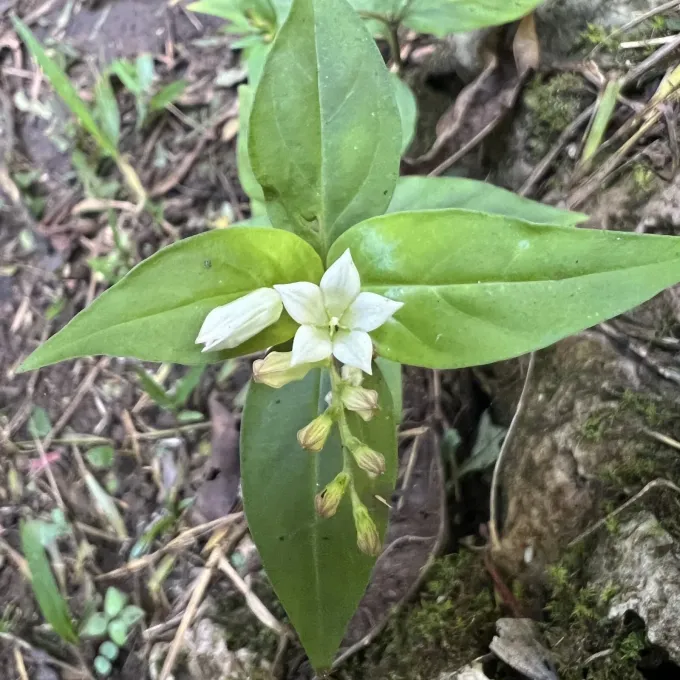
Description
Sowing dates
The propagation of Spigelia humboldtiana requires precise handling of seeds, which are known to have a period of dormancy. Stratification is recommended for a duration of at least two to three weeks under cool, moist conditions to ensure successful germination.
Sowing should take place in a well-draining, sterile seed-starting mix. The seeds require light to germinate, so they should be surface-sown and only lightly pressed into the medium, rather than buried deep beneath the surface, which would inhibit their development.
Maintaining a constant temperature between 22 and 25 degrees Celsius is crucial during the germination phase. Any significant deviation from this range can lead to a drastic reduction in the percentage of viable seedlings emerging from the soil.
Humidity management is essential; the environment must be kept consistently moist but not waterlogged. Using a humidity dome or clear plastic cover helps maintain the necessary atmospheric moisture levels without exposing the delicate seeds to pathogens.
Once the seedlings develop their first true leaves, they should be carefully pricked out into individual pots. This step allows the young plants to develop a strong root system, which is vital for the survival and further growth of this species in a controlled environment.
Growing requirements
Spigelia humboldtiana belongs to the Loganiaceae family and is native to the tropical regions of South America. As such, its cultivation requires simulating its natural habitat, emphasizing high humidity and protection from direct, harsh solar radiation.
Soil composition should be rich in organic matter, such as high-quality peat moss and leaf mold, amended with perlite or coarse sand to guarantee optimal aeration. Proper drainage is the most significant factor in preventing root-related physiological disorders.
The plant thrives in partial shade. In greenhouse settings, light levels should be carefully adjusted, especially during the peak of summer, to prevent leaf scorch and ensure that the plant maintains its photosynthetic efficiency throughout the growing season.
Stable temperatures are required throughout the year. The species is highly intolerant to cold drafts and temperatures falling below 15 degrees Celsius. Ensuring a constant climate is the primary duty of an agronomist managing this specific tropical culture.
Watering frequency should be determined by the moisture status of the substrate. It is highly advisable to use filtered or distilled water, as the plant is sensitive to the high mineral content found in many tap water sources, which can alter soil pH.
Main diseases and pests
Spider mites are the most persistent pest for Spigelia humboldtiana in indoor and greenhouse environments. They tend to proliferate during periods of low humidity, making regular misting and humidity monitoring essential parts of integrated pest management.
Mealybugs can also pose a significant challenge, often hiding in the dense foliage of the plant. Regular inspections are necessary to identify infestations early, allowing for physical removal or targeted treatment before the colony spreads significantly.
Fungal pathogens, particularly those causing root rot, are often a consequence of poor drainage and overwatering. If the substrate remains too wet, the roots fail to receive oxygen, leading to the rapid decline and eventual death of the plant.
Maintaining good airflow is the best preventative strategy against airborne fungal diseases. Adequate spacing between plants ensures that foliage dries quickly after watering, which significantly reduces the risk of sporulation and fungal infection.
Integrated control measures, including the use of biological control agents and strictly following cultural practices, provide the most sustainable path for long-term health and productivity of these medicinal plant crops.