
Physostegia virginiana
Physostegia virginiana (L.) Benth.
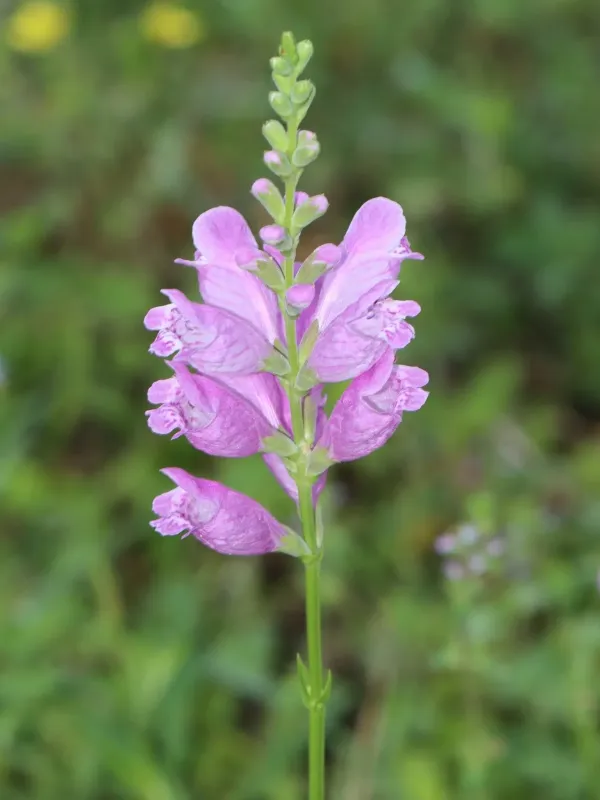
Description
Sowing dates
Physostegia virginiana is typically propagated through seeds or division. Sowing seeds directly into the soil is best done in autumn to allow for natural cold stratification during the winter months.
If starting indoors, sow the seeds in late winter in a sterile potting mix. Maintain consistent moisture and provide enough light to prevent the seedlings from becoming weak or leggy before transplanting.
Vegetative propagation by dividing established clumps in spring is the most reliable method for maintaining the desired characteristics of the plant. Separate the rhizomes carefully to avoid damaging the root system.
When transplanting young plants, choose a location with sufficient space as the plant spreads vigorously. Spacing should be approximately 30 to 45 centimeters to ensure healthy airflow between individuals.
Hardening off seedlings before moving them outdoors is crucial for survival. Gradually expose them to external conditions over a week to help them adapt to direct sun and temperature fluctuations.
Growing requirements
As a member of the Lamiaceae family, Physostegia virginiana is a hardy perennial native to North America. It is widely valued for its spike-like inflorescences and long-lasting summer blooms.
This plant thrives in moist, fertile soils and is often found in nature along streambanks or in wet meadows. It requires consistent irrigation, especially during dry spells to maintain high flower quality.
While it can tolerate partial shade, the best performance is observed in full sun locations. Sufficient sunlight prevents the stems from drooping and encourages a more robust flowering display.
The soil should be well-drained but rich in organic matter. Adding compost or well-rotted manure during site preparation will provide the necessary nutrients for vigorous growth throughout the season.
Since the species features spreading rhizomes, it can become invasive in small garden beds. Planting it with underground root barriers or in restricted areas is a recommended management practice.
Main diseases and pests
Physostegia virginiana is generally resistant to many common pests, but it remains susceptible to fungal diseases if air circulation is inadequate. Humidity control is key to preventing plant stress.
Powdery mildew is the most common threat, particularly in hot, humid climates. Ensuring that the foliage stays dry and the plants are properly spaced will significantly reduce the risk of infection.
Aphids can occasionally cluster on tender new shoots and flower buds. Monitoring plants regularly allows for the early detection and manual removal or treatment of these insects before damage occurs.
Rust fungi might occur in wet seasons, manifesting as reddish-brown spots on leaves. Remove and destroy infected foliage immediately to prevent spores from spreading to healthy plant parts.
Maintaining a clean garden environment and applying preventive fungicides when necessary are effective strategies for managing potential threats throughout the growing cycle.