
Keiskea japonica
Keiskea japonica
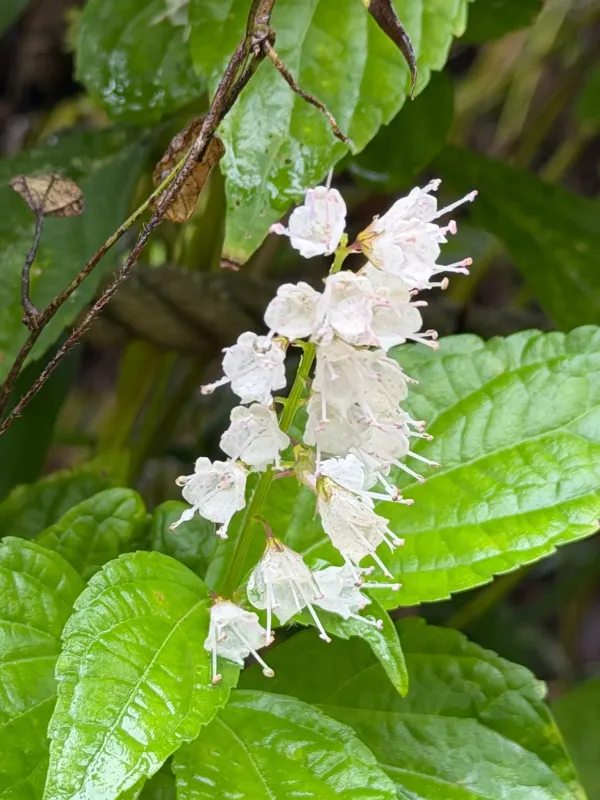
Description
Sowing dates
Sowing Keiskea japonica seeds is most successful when performed in late autumn or early spring after a period of stratification. The seeds require cold exposure for several weeks to break dormancy, ensuring a high germination rate when temperatures rise in the spring.
For container-based propagation, use a light, well-draining seed starting mix. Since the seeds are extremely small, they should be surface-sown and only lightly pressed into the medium, or covered with a very fine layer of sand to allow light exposure, which is necessary for germination.
Maintain constant humidity in the seed trays by covering them with clear plastic or glass, but ensure daily aeration to prevent fungal growth. Once the seedlings develop their first true leaves, they can be pricked out into individual pots to strengthen their root systems before final transplanting.
Transplanting to an outdoor location should be done after the last threat of frost has passed. Space the plants approximately 30 to 40 centimeters apart to allow for proper foliage development and adequate air movement, which reduces the risk of diseases caused by overcrowding.
Prepare the garden bed by mixing compost or leaf mold into the topsoil to improve nutrient content and structure. A well-prepared seedbed encourages robust initial growth, which is essential for the perennial development of this plant throughout its first year.
Growing requirements
Keiskea japonica is a member of the Lamiaceae family, naturally found in the forest understories of East Asia. This species thrives in environments that mimic its natural habitat, favoring cool, shaded locations and consistent moisture throughout the growing season.
The ideal soil for this crop should be rich in organic matter, slightly acidic to neutral, and possess excellent drainage. While the plant loves moisture, it is highly sensitive to waterlogged soil, which can quickly lead to root rot; therefore, site selection is a critical management decision.
Light requirements are specific: the plant performs best in dappled shade or partial sun, avoiding the harsh direct heat of midday. Protection from intense afternoon sunlight is necessary to prevent leaf scorching and to maintain the plant's ornamental and chemical vitality.
In terms of temperature, Keiskea japonica prefers temperate climates. During winters, it is beneficial to provide a protective layer of mulch, such as wood chips or dry leaves, to insulate the rhizomes against severe frost and temperature fluctuations.
General maintenance includes periodic weeding and the application of balanced organic fertilizers during the early growth stage. Maintaining a healthy soil environment through organic mulching also helps regulate soil temperature and moisture, which is vital for sustained plant vigor.
Main diseases and pests
Disease management is a key aspect of growing Keiskea japonica, as the plant is susceptible to fungal issues if conditions are too humid or poorly ventilated. Root rot is the most common problem, primarily occurring in heavy soils that do not drain effectively after heavy rains.
Powdery mildew can appear as a white, dusty coating on leaves during periods of high humidity and warm temperatures. Improving airflow and using preventive organic fungicides or copper-based treatments can effectively keep the infection under control.
Slugs and snails are the primary pests that damage the young foliage of Keiskea. Gardeners can implement physical barriers, such as copper tape or crushed eggshells, or utilize biological control methods to reduce the population of these mollusks without damaging the plants.
Aphids may occasionally cluster on the underside of leaves or at the tips of new growth. A gentle wash with insecticidal soap or neem oil is usually sufficient to address the issue, provided that the plants are monitored frequently for early signs of infestation.
Implementing a strict hygiene routine—removing diseased leaves and debris promptly—prevents the accumulation of pathogens. Healthy, robust plants are generally more resistant to these threats, making good agrotechnical practices the best defense against potential crop loss.
Harvesting
The harvest of Keiskea japonica primarily targets its vegetative mass for medicinal or nutritional use. The optimal time for collection is during the peak flowering stage, when the plant's essential oils and bioactive compounds are at their highest concentration.
Use clean, sharp tools to harvest the stems, cutting them a few centimeters above the soil level. This method encourages the plant to regenerate from its basal buds, allowing for a healthy recovery and potentially multiple harvests depending on the local growing season length.
Post-harvest processing requires immediate drying in a shaded, well-ventilated area. Spreading the harvested material in thin layers on screens ensures uniform moisture loss and prevents fermentation, which would degrade the quality of the phytochemicals within the plant.
Once the stems are brittle to the touch, they are considered sufficiently dry. At this stage, the material should be processed—typically by milling or crushing—and stored in airtight, light-protected containers to preserve its shelf life and therapeutic properties.
Proper storage involves keeping the final product in a cool, dry place to prevent moisture re-absorption. Quality control measures during harvesting and drying are essential to meet the standards required for raw plant material in the industry, ensuring high-quality output for end-users.