
Jordan Sage
Salvia jordanii
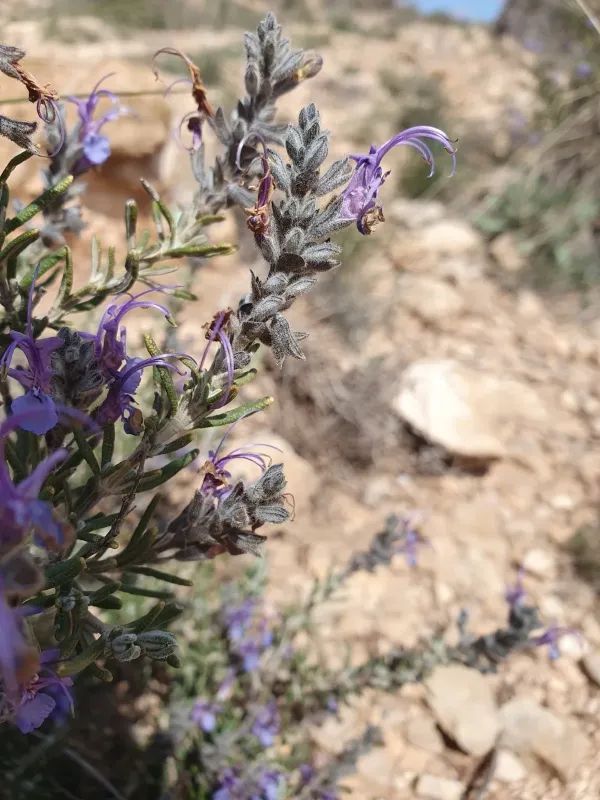
Description
Sowing dates
Jordan Sage is a perennial subshrub, typically propagated via seeds sown in early spring to take advantage of increasing daylight. Using a seedling tray approach allows for better control over germination conditions in a greenhouse or controlled environment.
For outdoor sowing, Mediterranean-like climates allow for autumn planting, which naturally stratifies the seeds. If sowing in the spring, it is crucial to wait until soil temperatures stabilize above 15 degrees Celsius to ensure uniform emergence.
Seeds should be covered with a very light layer of soil or vermiculite, approximately 0.5 to 1 centimeter deep. Maintaining constant moisture during the first two to three weeks is essential, as the seeds are quite small and sensitive to drying out.
Once seedlings develop their first true leaves, they should be transplanted into individual pots or larger cells. This process stimulates root development, which is vital for the plant's long-term establishment once it is moved to its final location.
Plant spacing should be calculated based on the mature width of the plant, typically ranging between 50 and 70 centimeters. Adequate space is necessary to ensure proper airflow, which prevents moisture accumulation in the foliage.
Growing requirements
As a member of the Lamiaceae family, Jordan Sage thrives in xeric environments. It requires full sun exposure for the majority of the day to produce the secondary metabolites and essential oils that characterize the species.
The ideal soil for this crop is light, well-draining, and calcareous. It performs exceptionally poorly in heavy, clay-rich soils that retain excessive moisture, making the incorporation of gravel or sand into the soil profile highly recommended.
While known for its drought tolerance, the plant benefits from supplemental irrigation during the peak growing season to maximize biomass production. However, it is essential to ensure that the crown of the plant stays dry to avoid rot.
The climate requirements for Jordan Sage emphasize the need for hot, dry summers. In temperate zones, protection from harsh winter conditions or moving the plants to a sheltered area is necessary to prevent freeze damage.
Nutrient management should focus on maintaining low to moderate fertility. Excessive nitrogen application promotes succulent growth that is more susceptible to disease, whereas balanced potassium and phosphorus levels support hardy and aromatic development.
Main diseases and pests
Fungal pathogens associated with high moisture levels are the primary threats to Jordan Sage. Root rot is a common issue in poorly draining soils, which can decimate a stand if irrigation and soil texture are not properly managed.
Powdery mildew can become a concern if plants are spaced too closely or if humidity levels are high. Proper site selection and ensuring clear pathways for air circulation are the best non-chemical defenses against this fungal ailment.
Pests such as aphids and spider mites can infest young shoots, drawing away vital nutrients and potentially vectoring plant viruses. Regular monitoring is recommended to catch infestations before they reach economic thresholds.
Slugs and snails may pose a nuisance, particularly to younger plants in the early spring months. Physical barriers, such as copper tape or coarse mulch around the base of the plant, can effectively deter these pests.
Integrated Pest Management (IPM) strategies, including the use of biological controls or organic-approved pesticides, should be prioritized to maintain the high quality of the essential oils harvested from the crop.
Harvesting
The optimal harvest timing coincides with the peak flowering period. This is when the plant's essential oil concentration is at its highest, providing the best fragrance profile and chemical potency for medicinal or industrial use.
Harvesting should be performed during dry, sunny weather, preferably in the morning after the dew has evaporated. Using sharp, clean pruning shears allows for a precise cut, which helps the plant recover quickly and promotes secondary growth.
Immediately after harvest, the raw material should be dried in a shaded, well-ventilated area. Keeping drying temperatures below 40 degrees Celsius is critical to preventing the degradation of volatile aromatic compounds.
Once fully dried, the product should be stored in airtight containers away from heat and light. Proper storage conditions ensure that the aromatic qualities remain stable for up to two years, preserving the product's value.
Besides being used as dried herb, Jordan Sage is often processed for its essential oils via steam distillation. This intensive process extracts the volatile components, resulting in a premium product valued in the perfume and pharmaceutical sectors.