
Jerusalem sage
Salvia hierosolymetana
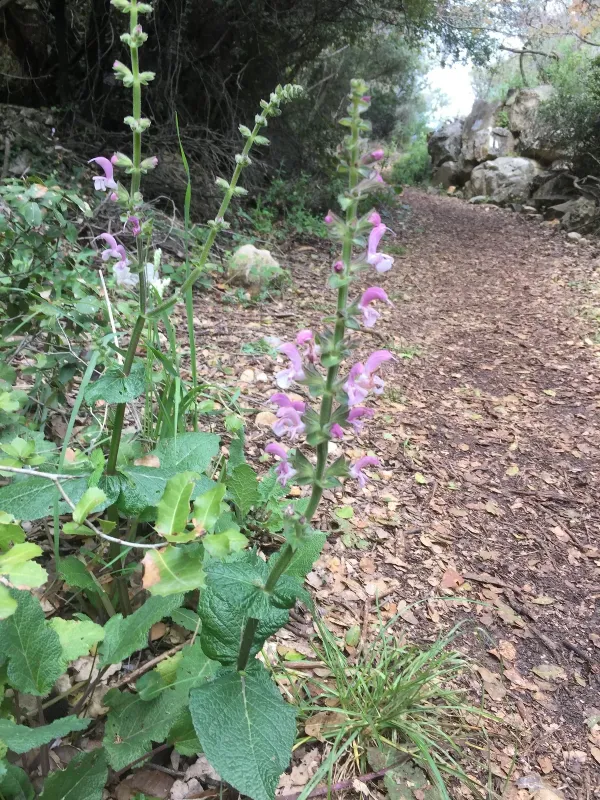
Description
Sowing dates
Jerusalem sage is a perennial herb belonging to the Lamiaceae family, known for its distinct botanical structure and aromatic properties. Planting is typically performed by sowing seeds in early spring, as soon as the ground reaches a stable temperature of at least 10–12 degrees Celsius, which encourages steady root establishment.
Seeds should be sown in rows with a spacing of 45 to 60 centimeters, at a shallow depth of 1–2 centimeters. This planting depth is critical because deep burial can impede germination, while adequate spacing ensures that each plant receives sufficient nutrients and light for optimal vegetative development.
When starting from seedlings in a greenhouse, sowing is usually conducted in late March. This timing allows young plants to develop strong root systems before they are transplanted into the open field in May, significantly improving their survival rate and overall vigor in the new environment.
Maintaining proper planting density, typically around 4–6 plants per square meter, is essential for a productive harvest. Excessive crowding limits the plant's ability to thrive and creates microclimates that increase the risk of disease, whereas sufficient spacing promotes airflow around the leaves.
Field preparation must prioritize well-draining soil, as this species is particularly sensitive to waterlogged conditions during the early growth stages. Careful selection of the site, choosing areas with full sun exposure, remains the most important factor for successful crop initiation and long-term vitality.
Growing requirements
Originating from the Mediterranean and Middle Eastern regions, Jerusalem sage is naturally adapted to sunny, dry environments. The ideal soil type for this crop is a sandy loam or rocky soil that offers excellent drainage and remains porous enough to prevent root rot during occasional wet spells.
The plant thrives in soil with a neutral to slightly alkaline pH level, which supports the synthesis of essential oils. If the soil is too acidic, applying lime is a recommended agricultural practice that should be integrated into the soil management strategy several months before sowing.
Climatic requirements focus on moderate temperatures and low relative humidity during the peak growing season. While the species is reasonably hardy, it requires protection from severe frost; using organic mulch during colder winters can prevent damage to the crown and ensure regrowth the following season.
Irrigation should be minimal and carefully controlled, applied only during prolonged droughts when the plant is in its active flowering stage. It is crucial to prevent water from accumulating around the base of the plant, as stagnant moisture is the primary cause of decline for this Mediterranean native.
Nutrient management involves balanced fertilization, focusing on potassium and phosphorus to enhance structural integrity and oil content. Excessive nitrogen application should be avoided, as it promotes rapid, succulent growth that is more susceptible to disease and reduces the concentration of aromatic compounds.
Main diseases and pests
The most significant threats to Jerusalem sage are fungal infections triggered by high humidity and poor soil drainage. Root rot and powdery mildew are common issues that arise when airflow is restricted or when the moisture level in the soil consistently exceeds the plant's requirements.
Pests such as aphids and spider mites can occasionally affect the plants, especially during hot and dry summer intervals. Early detection through regular crop monitoring is vital, allowing for targeted control measures using soft, environmentally friendly soaps or botanical oils that maintain the quality of the raw material.
Fusarium wilt is a potential soil-borne problem that often stems from failing to rotate crops effectively. To prevent the buildup of pathogens, it is advised not to replant this species in the same field for at least three to four years, following a strict rotation schedule with non-Lamiaceae crops.
Rodents may cause damage to the roots during the dormant winter period. Clearing away dead foliage and debris from the field in the late autumn helps to minimize habitats for these pests, thereby reducing the risk of localized damage and disease spread during the following spring.
Affected plants showing signs of severe disease should be immediately rogue out of the field and disposed of away from the main planting area. This containment strategy is essential for protecting the overall crop health and ensuring a high-quality yield for industrial or medicinal use.
Harvesting
Harvesting Jerusalem sage requires precise timing, typically occurring during the peak flowering stage. This is when the plant's essential oils and active compounds are at their highest concentration, providing the most valuable product for pharmacological or culinary purposes.
The stalks are cut manually or with specialized mechanical harvesters at about 10–15 centimeters above the soil line. It is best to perform the harvest on a dry, sunny morning after the dew has evaporated, as moisture on the harvested material can degrade the quality and cause spoilage during drying.
The harvested material must be dried promptly in a shaded, well-ventilated space to preserve its aromatic profile. Drying temperatures should be strictly managed, ideally staying below 40 degrees Celsius, to prevent the volatile oil components from evaporating prematurely and diminishing the value of the herb.
Once the material is thoroughly dried, the leaves and flowers are separated from the stems to produce a uniform product. This processing stage should be handled with care to avoid breaking the delicate glandular hairs that store the essential oils, as these contain the most potent components of the plant.
Storage should be conducted in airtight containers kept in a cool, dark, and dry environment. With these conditions, the shelf life of the dried product is significantly extended, allowing for long-term supply management and ensuring that the medicinal and aromatic properties remain intact until final delivery.