
Hesperozygis
Hesperozygis myrtoides Epl. x Hesperozygis dimidiata Epl. Msth.
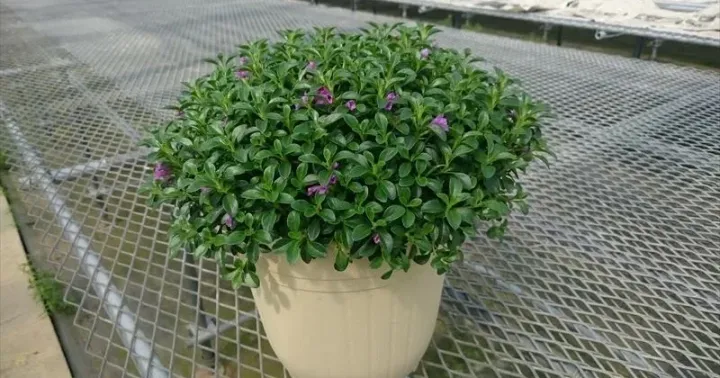
Description
Sowing dates
Hesperozygis (Hesperozygis myrtoides x dimidiata) is a hybrid essential oil crop belonging to the Lamiaceae family. Due to the hybrid nature of this plant, it is typically propagated via vegetative cuttings to ensure the preservation of desirable characteristics and aromatic profile.
The ideal time for transplanting rooted cuttings outdoors is spring, once the threat of frost has passed and soil temperatures have stabilized. Proper site selection is essential, focusing on well-draining soil to support the establishment of a robust root system.
The planting substrate should be light and aerated, ideally amended with organic matter to improve soil structure. Ensuring the correct spacing between plants is crucial for air circulation, which prevents the development of fungal pathogens.
After transplanting, consistent irrigation is necessary until the plants are fully established. Once established, the hybrid exhibits moderate resilience, though consistent moisture management remains key to maximizing yield.
The culture is often grown in containers in temperate climates, allowing for better control over soil composition and protection from extreme weather conditions during winter months.
Growing requirements
Hesperozygis thrives in sunny locations with at least 6 to 8 hours of direct sunlight daily. High light intensity is a fundamental requirement for the synthesis of volatile oils, which define the plant's aromatic and economic value.
Temperature preference ranges from +18°C to +25°C. Exposure to extreme cold can cause significant stress or death, necessitating overwintering in greenhouses or indoor settings in cooler climate zones.
Soil requirements focus on neutrality or slight acidity and excellent drainage. Waterlogging is the primary cause of plant failure, as the root system is highly susceptible to hypoxia and subsequent rot if submerged in stagnant water.
Nutrient management involves balanced fertilization during the active growing season. Reducing nitrogen application towards the end of the season promotes lignification, which helps the plant withstand environmental stressors.
Routine pruning is recommended to encourage a bushy growth habit and prevent the plants from becoming overly sparse, which also facilitates easier harvesting and better overall plant health.
Main diseases and pests
The most frequent pests encountered in Hesperozygis production include spider mites and whiteflies, which proliferate in hot, dry greenhouse environments. Regular monitoring is essential to catch infestations before they cause severe damage.
Fungal issues, particularly root rot, are common symptoms of over-irrigation. Maintaining a dry foliage surface by using drip irrigation or watering at the base can significantly reduce the risk of diseases.
Powdery mildew may occur when humidity levels fluctuate drastically. Proper ventilation and airflow are the most effective non-chemical strategies to manage this fungal pathogen in a controlled environment.
Integrated pest management strategies are preferred, emphasizing biological controls to ensure that the final harvested product remains free from chemical residues, which is critical for culinary or cosmetic applications.
Good sanitation practices, including the removal of fallen leaves and debris from the soil surface, are vital to reducing the inoculum pressure of soil-borne diseases.
Harvesting
Harvesting should coincide with the onset of the flowering phase, as the concentration of essential oils is typically highest at this time. This ensures the maximum aromatic output and quality of the dried product.
Shoots should be cut using sterilized shears, leaving enough stem material for the plant to regenerate during the season. Harvesting is best performed during the cool morning hours once the dew has evaporated.
Post-harvest processing involves drying the plant material in a shaded, well-ventilated area. Rapid, high-temperature drying should be avoided to prevent the degradation of heat-sensitive aromatic compounds.
The dried herb is utilized in various industries, including culinary spice production, traditional medicine, and the fragrance industry, where its unique menthol-like profile is highly valued.
Proper storage is essential; the final product should be stored in airtight, light-proof containers to preserve the volatile oils and maintain the potency of the herb for an extended period.