
Cornutia caerulea
Cornutia caerulea
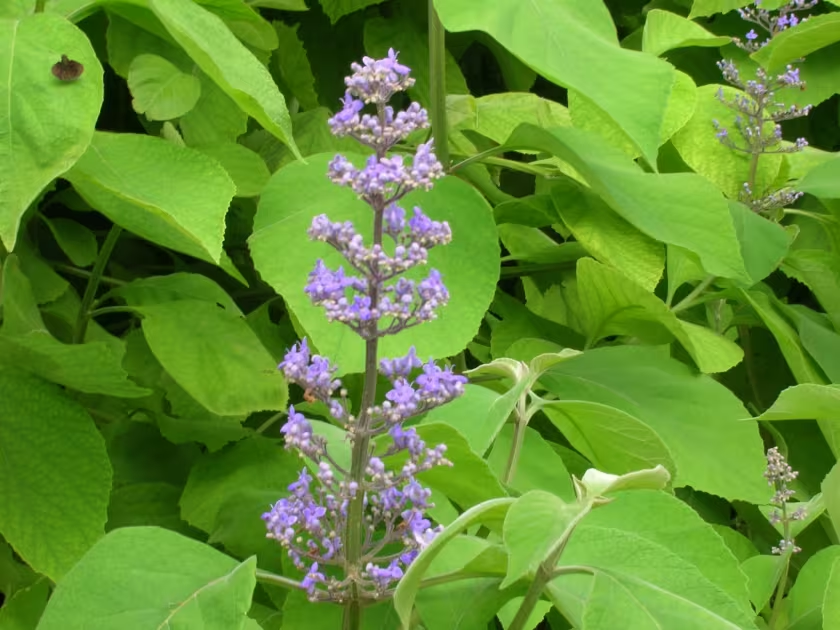
Description
Sowing dates
Propagation of Cornutia caerulea is typically achieved through seeds or stem cuttings. Sowing seeds in a high-quality, sterile seed-starting mix ensures the best germination results in a temperature-controlled environment.
Seeds require light to germinate, so they should be surface-sown or barely covered with a light layer of substrate. Maintaining high humidity and a consistent temperature of approximately 25 degrees Celsius is crucial for success.
Once seedlings have developed at least two sets of true leaves, they should be carefully transplanted into larger individual pots. This step allows for the development of a robust root system before the plants are moved to their permanent location.
Cuttings should be taken from healthy, semi-hardwood stems during the active growing season. Applying rooting hormones can significantly increase the chances of successful propagation and speed up the establishment of the root system.
Acclimatization is a vital process for young plants. Slowly exposing them to ambient outdoor conditions over several weeks will prevent transplant shock and prepare the crop for growth in the open field.
Growing requirements
Belonging to the Verbenaceae family, Cornutia caerulea thrives in tropical environments. It requires significant sunlight for optimal growth but prefers a location that offers some shade during the hottest part of the day to prevent leaf scorch.
The soil must be well-drained and nutrient-rich, preferably with a slightly acidic to neutral pH level. If the soil is too heavy, amending it with organic matter or perlite is highly recommended to improve structure and drainage.
The ideal temperature range for the plant is between 20 and 28 degrees Celsius. Cornutia caerulea is sensitive to cold weather and frost, requiring protection if temperatures fall significantly below the threshold of its native tropical habitat.
Consistent moisture is necessary throughout the growing season, but the root zone must never become waterlogged. A balance between hydration and aeration is essential to avoid physiological disorders and root decay.
Regular fertilization with a balanced, water-soluble fertilizer helps maintain vibrant foliage and promotes healthy flowering cycles. It is recommended to reduce fertilization frequency during the cooler months to respect the plant's natural dormant rhythm.
Main diseases and pests
Common pests affecting Cornutia caerulea include spider mites and mealybugs, which thrive in conditions of low humidity or poor airflow. These pests can rapidly colonize the undersides of leaves and cause severe damage if left unchecked.
Fungal pathogens such as root rot are primarily linked to poor soil drainage and overwatering. These diseases can quickly weaken the plant structure, leading to stunted growth and, in severe cases, the eventual death of the specimen.
Integrated Pest Management (IPM) strategies are highly effective for this crop. Regular monitoring and the application of biological controls, such as beneficial insects, can reduce the need for synthetic chemical treatments.
Sanitation plays a critical role in disease prevention. Removing dead leaves, debris, and infected branches prevents the accumulation of inoculum that can lead to future outbreaks of fungal or bacterial diseases.
By ensuring proper plant spacing and maintaining good air circulation, growers can significantly reduce the risk of common horticultural issues and ensure a healthy, vigorous crop throughout the entire growing season.