
Comanthosphace japonica
Comanthosphace japonica
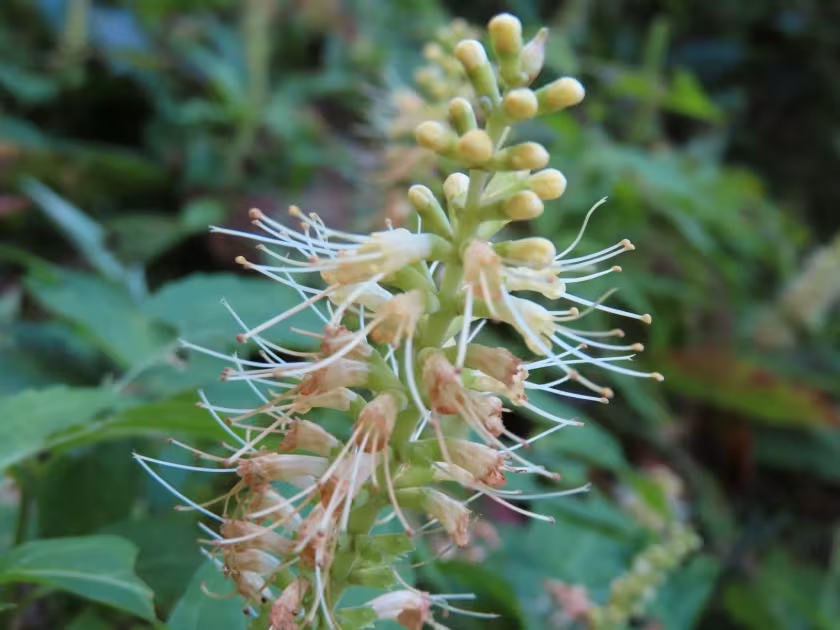
Description
Growing requirements
Comanthosphace japonica is a perennial herbaceous plant belonging to the Lamiaceae family. Native to Japan and East Asia, it is known for its ability to thrive in shaded or semi-shaded forest environments with moderate humidity.
The botanical structure of the plant features erect stems reaching up to one meter in height, lanceolate to ovate leaves with serrated margins, and dense, spike-like inflorescences. These structures are typical of the mint family, contributing to its aesthetic and ecological value.
Agronomic requirements include well-drained, fertile soil rich in humus. The crop performs best in conditions where soil moisture is consistent, but it is critical to avoid waterlogging, which often results in root rot and poor plant development.
Climate adaptation is generally focused on temperate zones. The plant requires a moderate growing season with enough light to stimulate nectar production, though it appreciates some shelter from direct, scorching afternoon sun and strong, drying winds.
The main agricultural use for this species is apiculture. As it flowers in late summer and autumn, it provides a vital nectar source for bees and other pollinators at a time when other honey sources are limited, making it a strategic crop for apiary management.
Main diseases and pests
The primary threats to Comanthosphace japonica are fungal diseases, particularly those affecting the roots and stems. These pathogens flourish in stagnant moisture, making site selection and soil preparation vital for long-term survival.
Pests that frequently infest the crop include aphids, which cluster on the tender tips of stems. Their feeding weakens the plant and stunts the growth of the flower spikes, directly impacting the plant's effectiveness as a honey source.
Spider mites are another common pest, especially in warmer or drier climates. They cause stippling on the leaves and can lead to significant foliage damage if left unchecked, reducing the plant's photosynthetic capacity.
Cultural control methods such as maintaining adequate spacing between plants to ensure good airflow are essential. This reduces humidity around the foliage and significantly lowers the risk of fungal outbreaks like powdery mildew.
When selecting pest management strategies, growers should prioritize low-toxicity products to protect the populations of pollinating insects that visit the plant during its flowering period.