
Bluebeard (Caryopteris glutinosa)
Caryopteris glutinosa
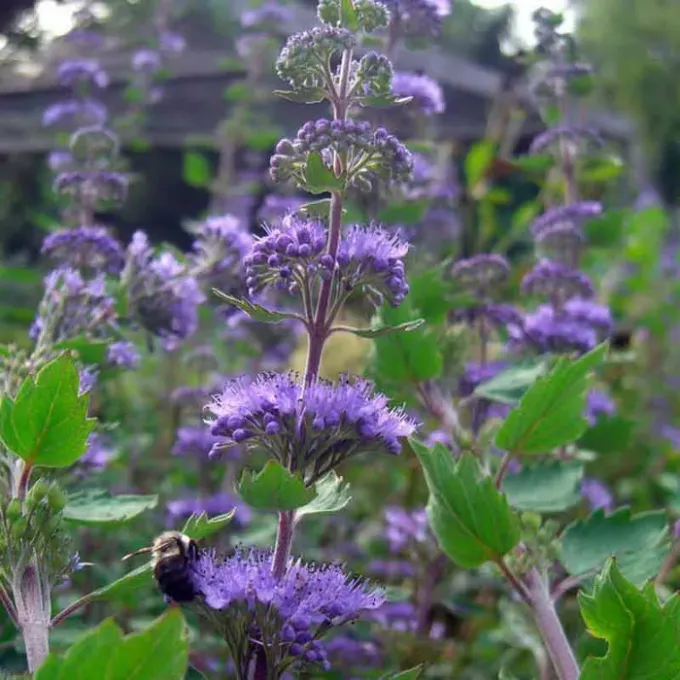
Description
Sowing dates
The propagation of Caryopteris glutinosa typically begins in early spring. Seeds should be sown in a well-draining substrate, ensuring they are only lightly covered with soil to allow for proper light penetration.
For best results, maintain a consistent soil temperature of 18–20 degrees Celsius during the germination process. Using a greenhouse or cold frame can help stabilize the environment and accelerate seedling emergence.
Transplanting seedlings to the field is performed once the danger of frost has passed. Typically, late May is the ideal window for establishing young plants in their permanent locations.
When planning for mass planting or hedges, a spacing of 50 to 80 centimeters is recommended. This allows for adequate air circulation while promoting a dense, uniform canopy as the shrubs mature.
Cuttings can be taken in mid-summer for vegetative propagation. Treated with rooting hormones, these cuttings often establish more reliably than seedlings, ensuring consistent genetic characteristics.
Growing requirements
Caryopteris glutinosa, a member of the Lamiaceae family, thrives in full sun exposure. It requires at least six to eight hours of direct sunlight daily to produce high-quality blooms and strong stems.
The ideal soil profile for this plant consists of light, sandy, or loamy textures with a neutral to slightly alkaline pH. High soil permeability is essential, as waterlogged conditions quickly lead to root decay.
While the shrub is noted for its drought tolerance once established, periodic irrigation during the peak of summer is beneficial for maintaining optimal aesthetic vigor and flowering duration.
Annual pruning is a critical component of its agronomic management. Cutting back the previous year's growth in early spring encourages vigorous new shoots, which is where the flowers are predominantly produced.
Fertilization should be handled with care. A balanced, low-nitrogen fertilizer applied in early spring supports healthy growth without promoting excessive, weak foliage that can be vulnerable to winter damage.
Main diseases and pests
Root rot is the primary threat to the plant, usually resulting from poor drainage or excessive soil moisture. Improving the site's drainage is the most effective long-term management strategy.
Aphids can infest tender new growth during the spring months. Monitoring for curled leaves is key; once detected, insecticidal soaps or systemic treatments can be applied to manage the population.
Powdery mildew may occur when humidity is high and airflow is restricted. To minimize risk, ensure proper spacing between shrubs and avoid overhead irrigation that keeps the foliage wet for extended periods.
Spider mites are potential pests during periods of extreme heat and low humidity. Regular inspection of the underside of leaves can help detect their presence early, before significant damage occurs.
General sanitation, including the removal of dead or diseased wood during the pruning process, is essential for maintaining the overall health and productivity of the planting site.