
Caryopteris mongholica
Caryopteris mongholica
Description
Sowing dates
Propagation of Caryopteris mongholica is typically achieved through seeds or stem cuttings, with cuttings being the preferred method to ensure genetic consistency.
Seeds should be sown in the spring into well-draining soil, ensuring they are only lightly covered as they require a certain amount of light for optimal germination.
Softwood cuttings are best taken in early to mid-summer, treated with a rooting hormone, and placed in a moist medium within a greenhouse or cold frame.
Young seedlings or rooted cuttings should be grown in containers for the first season to develop a robust root system before transplanting to their permanent garden location.
Successful establishment relies on moderate watering during the initial growth phase, ensuring the soil remains moist but never waterlogged to prevent root decay.
Growing requirements
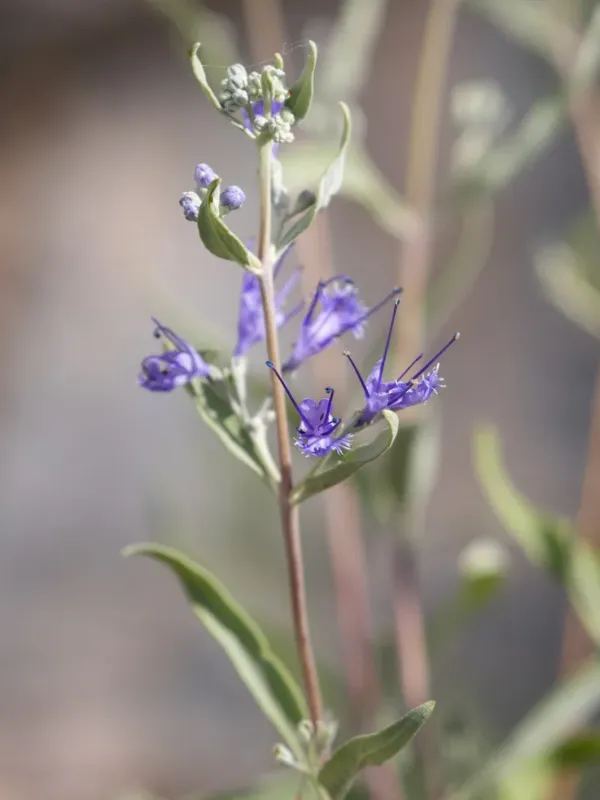
Caryopteris mongholica, belonging to the Lamiaceae family, is a deciduous subshrub valued for its late-season blooms and attractive, aromatic foliage.
This species thrives in full sun, which is critical for maintaining a compact growth habit and encouraging prolific flower production throughout the autumn months.
It prefers well-drained, slightly alkaline to neutral soil and is remarkably tolerant of rocky or nutrient-poor substrates, making it an excellent choice for xeriscaping.
While mature plants are highly drought-tolerant, supplemental irrigation during extreme heat waves can prevent leaf scorch and maintain the plant's overall vitality.
Pruning is an essential maintenance practice; cutting back the previous year's growth in early spring encourages vigorous new shoots and a more floriferous display.
Main diseases and pests
Caryopteris mongholica is generally resistant to pests and diseases, provided that its environmental requirements for drainage and sunlight are strictly met.
The most significant threat to its health is poor drainage, which predisposes the root system to fungal pathogens, particularly during dormant winter periods.
Powdery mildew can occasionally affect the foliage if plants are situated in areas with stagnant air and consistently high humidity, necessitating proper spacing.
Insects are rarely an issue, and the plant typically does not require chemical intervention, making it a sustainable choice for integrated pest management.
- Ensure adequate spacing between plants to facilitate air circulation and reduce the risk of mildew development.
- Monitor soil moisture levels regularly, especially during the first year after planting, to ensure healthy root development.
Harvesting
The primary utility of this shrub is as a late-season nectar source for bees, butterflies, and other essential pollinators, significantly enhancing garden biodiversity.
Seed harvesting occurs when the capsules turn dry and brown in late autumn, allowing for storage and subsequent propagation in the following growing season.
The dried inflorescences are often appreciated in floral arrangements, as they hold their structure well and add a distinct texture to dried bouquets.
Landscape designers utilize the plant for its low-maintenance requirements, making it ideal for urban landscaping, roadside plantings, and sustainable garden projects.
In addition to its visual appeal, the foliage is aromatic, contributing a subtle scent to the garden environment when brushed against or pruned.