
Phytocrene bracteata
Phytocrene bracteata
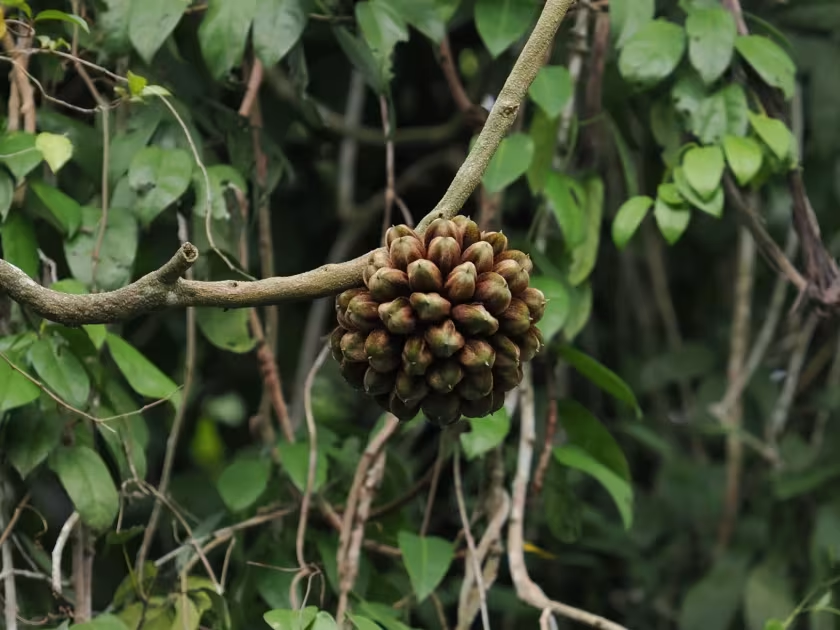
Description
Growing requirements
Phytocrene bracteata is a robust woody liana belonging to the Icacinaceae family. It is natively distributed across the tropical rainforests of Southeast Asia, thriving in the dense, humid environments characteristic of the tropical belt.
The climate requirements for this species are strictly tropical. It demands consistently high levels of humidity and warm temperatures throughout the entire year, as it lacks the physiological mechanisms to withstand cold stress or arid atmospheric conditions.
Regarding soil requirements, the plant prefers well-drained, nutrient-rich substrates with a high content of organic matter. In a controlled cultivation environment, maintaining an optimal balance of soil moisture is critical to support the vigorous growth of its woody stems.
Agrotechnical management primarily involves providing strong vertical support structures. As a climbing plant, Phytocrene bracteata uses its morphology to ascend into the canopy; without sufficient support, the plant's development and leaf coverage are significantly impeded.
The economic value of this culture lies in its traditional pharmacological properties and its utility as a botanical resource. Various parts of the plant are utilized for their potential active compounds, reflecting the rich biodiversity of tropical regions and their traditional medical applications.
Main diseases and pests
The primary threats to this plant include infestation by specialized tropical herbivorous insects and susceptibility to soil-borne pathogens. Root rot is a common issue when drainage is inadequate, leading to the rapid decline of the vascular system in the liana's stems.