
Iodes ovalis
Iodes ovalis
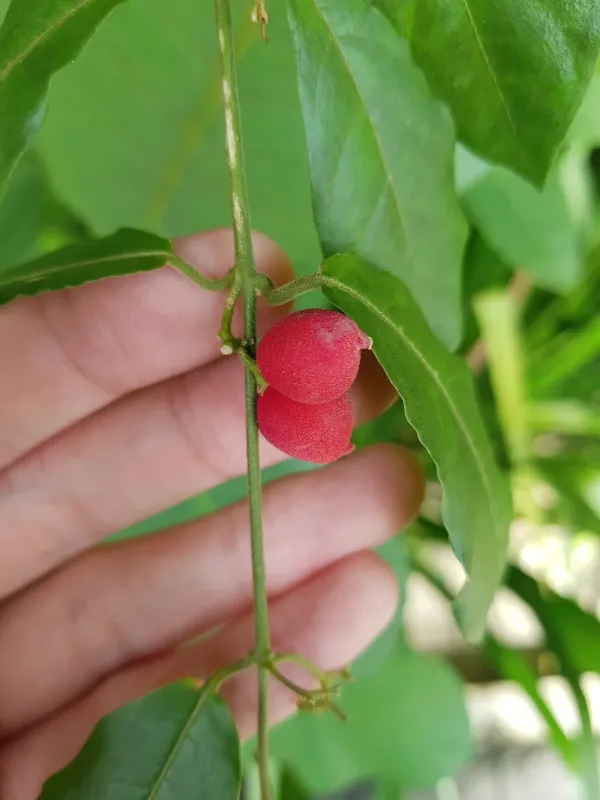
Description
Growing requirements
Iodes ovalis is a woody vine belonging to the Icacinaceae family, recognized for its climbing habit and specific adaptation to tropical forest strata.
Native to the regions of South and Southeast Asia, this species thrives in humid forest environments, demonstrating significant growth in shaded or semi-shaded areas.
The cultivation requirements focus on mimicking a tropical climate, with consistently warm temperatures ranging between 22°C and 28°C and high humidity levels.
Optimal growth is achieved in well-draining, nutrient-rich soils that are consistently moist but not waterlogged, as root health is paramount for this species.
The plant requires robust support systems, such as trellises or natural tree trunks, to allow its climbing stems to develop fully and reach towards the canopy light.
Main diseases and pests
The primary threats to Iodes ovalis involve fungal pathogens that typically proliferate in high-humidity environments with restricted air circulation.
Pest pressures include various tropical insect species, such as scale insects and spider mites, which can cause significant damage to foliage and shoot development.
Managing these threats requires regular inspection of the leaf underside and ensuring that the growing environment maintains proper ventilation levels at all times.
Root rot remains a critical concern if drainage is insufficient, often leading to rapid decline in the plant's structural integrity.
Integrated pest management strategies are recommended, focusing on early detection and the use of preventative cultural practices to maintain plant health.