
Icacina oliviformis
Icacina oliviformis
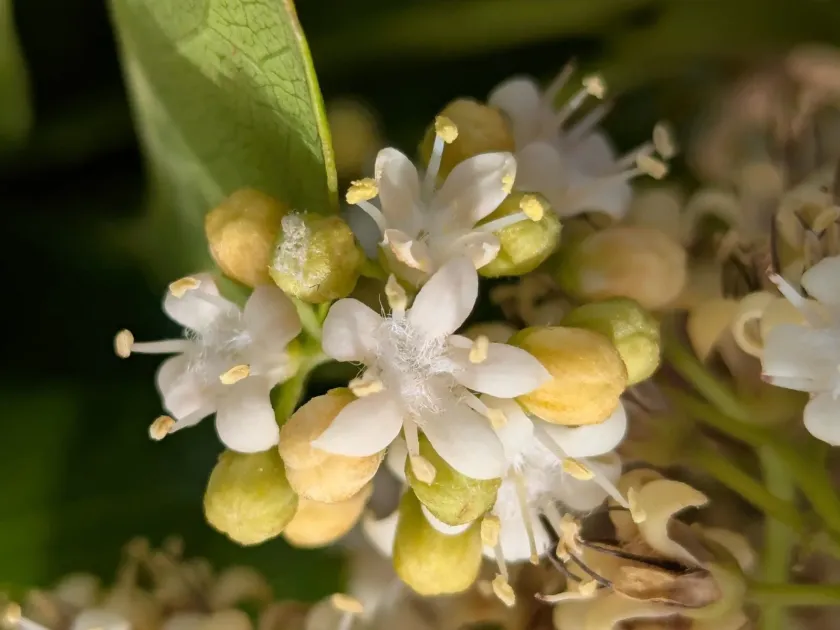
Description
Sowing dates
Icacina oliviformis is a perennial shrub belonging to the Icacinaceae family, typically propagated via seed or vegetative division of its tuberous roots.
Seeds should be sown at the beginning of the rainy season to ensure sufficient moisture for successful germination.
Vegetative propagation is achieved by dividing mature root stocks, which leads to faster plant establishment compared to seed sowing.
Optimal planting spacing is essential for air circulation and root development, usually set at approximately 1.5 to 2 meters between plants.
Early-stage growth requires careful management to ensure the young shoots are not outcompeted by native savannah vegetation.
Growing requirements
This species is highly adapted to arid and semi-arid environments, demonstrating exceptional drought tolerance due to its storage organ.
The plant thrives in sandy or well-drained loamy soils that prevent the accumulation of water, which could lead to root decay.
Full solar exposure is critical for the plant to synthesize the nutrients required for the rapid expansion of its underground tubers.
It prefers warm tropical climates with temperatures typically ranging between 25 and 35 degrees Celsius throughout the growing season.
It is generally indifferent to soil nutrient levels, performing well even in impoverished soils where other traditional crops fail.
Yield
The primary agricultural output of Icacina oliviformis is its large, starch-rich tuber, which acts as a vital food security resource.
Harvestable yields are reached within 3 to 5 years, depending on the growing conditions and the frequency of soil maintenance.
The fruits, small drupes, provide an additional nutritional component, being valued for their flavor in local culinary traditions.
Yield stability is one of the plant's greatest strengths, allowing it to provide food even during years of severe drought.
Proper field management and the removal of competing weeds can significantly increase the average weight and quality of the tubers.
Main diseases and pests
Pests such as coleopteran larvae pose a major threat to the tubers by creating internal galleries that lead to rot and quality loss.
Fungal infections, specifically root rots, can occur if the soil remains waterlogged for extended periods during the rainy season.
Small mammals and rodents are common predators that exploit the tubers, often requiring protective measures around the planting site.
Integrated pest management strategies are recommended, focusing on maintaining field hygiene and protecting the tuberous base.
Early-stage plant protection is vital, as the young sprouts are particularly vulnerable to herbivory and aggressive weeds.
Harvesting
The harvesting of tubers is ideally conducted during the dry season when the foliage dies back, concentrating nutrients in the root.
Manual digging must be performed with precision to avoid cutting the tuber skins, which reduces their overall storage life.
Fruit harvesting is a continuous process, requiring daily or weekly rounds to gather fruits as they ripen into their characteristic color.
After excavation, tubers should be cleaned of soil and briefly cured in a shaded, ventilated area to enhance their shelf life.
Proper storage involves keeping the tubers in dark, cool locations to prevent dehydration and sprouting before their ultimate processing.