
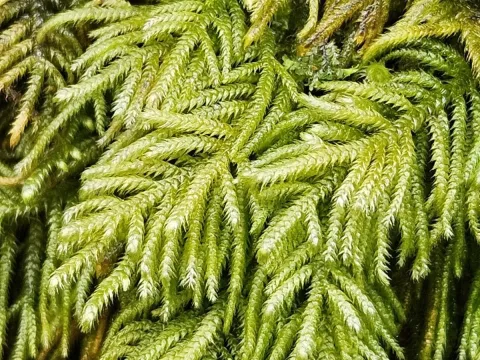
Hyocomium armoricum
Hyocomium armoricum
Hyocomium armoricum is a distinct moss species belonging to the Hypnaceae family. It is a moisture-loving bryophyte, frequently found in humid environments where water availability is a constant factor for survival and structural integrity.
What the section contains
Hyocomium armoricum
Botanically, this moss is characterized by its feathery, branching stems that form loose, vibrant green mats. These mats are adapted to maximize surface area for moisture absorption, allowing the plant to thrive in damp conditions such as near streams or in wet rocky crevices.
The species is primarily distributed across Western and Central Europe, favouring regions with an oceanic climate. High atmospheric humidity and mild temperatures are critical prerequisites for its growth, as the plant lacks the vascular complexity of higher vegetation.
In terms of habitat, it requires specific substrates, such as damp rocks, wet cliff faces, or areas around waterfalls where water spray provides constant hydration. Direct sunlight and prolonged dry spells are detrimental to its development and health.
While not a commercial crop, this moss serves as a valuable bio-indicator. Its presence indicates high environmental quality and stable water levels, making it a subject of interest for conservationists and botanists focusing on the health of riparian ecosystems.
The primary threat to Hyocomium armoricum populations is the disruption of local hydrological systems. Pollution of water sources and the alteration of riverbanks significantly endanger the stability of the moss's specialized habitat.
Climate change poses a severe risk to this species, as unpredictable droughts can lead to the rapid desiccation of its moist environment. Unlike higher plants, this moss has very limited mechanisms to cope with water shortages, leading to widespread mortality during dry periods.
Deforestation and removal of riparian vegetation reduce the shade and humidity levels necessary for the moss. The loss of canopy cover exposes the moss to excessive heat and evaporation, preventing it from re-establishing itself in affected areas.
Human activities, including infrastructure development near water bodies, can physically destroy the rocky substrates that the moss relies on. Such disturbances permanently alter the microclimate of the site, making it unsuitable for the species to return.
Effective preservation requires strict regulation of land use around wetlands and stream corridors. By maintaining the integrity of these sites, we can help protect the vulnerable colonies of this moisture-dependent bryophyte from regional extinction.