
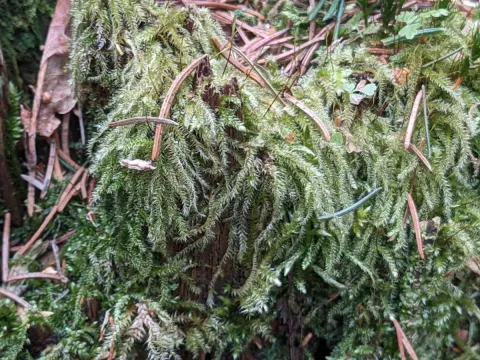
Herzogiella seligeri
Herzogiella seligeri
Herzogiella seligeri is a species of feather moss belonging to the Plagiotheciaceae family. While not a commercial crop, this species serves as a vital biological indicator in forest ecosystems across Europe, reflecting the health and humidity of woodland environments.
What the section contains
Herzogiella seligeri
The species primarily inhabits moist, shaded areas within temperate forests. It is frequently associated with decaying organic matter, such as rotting logs and stumps, which provide the necessary moisture and acidic conditions for its vegetative development.
Environmental requirements for Herzogiella seligeri are strictly defined by its need for consistent humidity. It thrives in environments with high relative air humidity and minimal direct solar radiation, as it lacks a cuticle to prevent rapid desiccation.
Soil and substrate preferences include acidic to neutral organic substrates. In professional bryology or restoration projects, the focus is on maintaining a stable microclimate rather than traditional soil fertilization, as excessive nutrients can be detrimental.
Techniques for managing this species focus on site protection. Ensuring a consistent canopy cover is essential to regulate temperature and maintain the cool, damp conditions that prevent the moss from entering a stress-induced dormant state.
The primary threats to Herzogiella seligeri include deforestation and the removal of coarse woody debris. As the moss relies on decaying wood for growth, modern forestry practices that clear-cut or remove deadwood directly destroy its habitat.
Air pollution represents a significant risk to the species' long-term survival. The moss absorbs water and nutrients directly through its leaves, making it highly susceptible to the accumulation of sulfur and nitrogen oxides present in polluted air.
Fungal pathogens and overgrowth by competitive invasive plant species are significant biological threats. When airflow is poor, the development of mold or pathogens can rapidly compromise the integrity of the moss colonies.
Climate change is another major concern, with shifting precipitation patterns leading to increased frequency of summer droughts. Such events disrupt the moss's reproductive cycle, which is strictly dependent on the availability of surface moisture.
Physical disturbance from recreational activity or logging machinery leads to the fragmentation of colonies. Due to the species' slow growth rate, even small physical interventions can lead to decades of population decline in the affected area.