
Rhytidiadelphus
Rhytidiadelphus
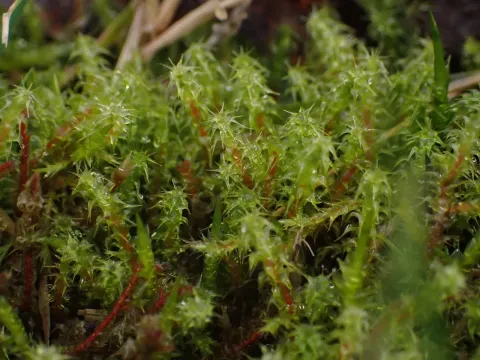
Rhytidiadelphus is a genus of mosses belonging to the family Hypnaceae. It is important to note that this is not an agricultural crop; rather, it is a group of bryophytes that play an essential role in forest ecosystems as a ground cover.
What the section contains


Rhytidiadelphus
These mosses are typically found in moist, shaded environments, particularly in coniferous or mixed forests. They thrive in conditions where moisture levels remain consistent, often carpeting the forest floor in large, dense mats.
The morphology of Rhytidiadelphus includes long, often pinnately branched stems and distinctive leaves that are frequently squarrose or reflexed. These structural features allow the moss to efficiently capture moisture and nutrients from the atmosphere and forest litter.
The geographic distribution of the genus covers temperate regions of the Northern Hemisphere. They are well-adapted to cooler climates and acidic soil conditions, where they serve as a critical component of the forest's biomass and water retention cycle.
There is no industrial or agricultural application for Rhytidiadelphus in terms of cultivation. Instead, its value lies in its ecological contribution, as it helps stabilize the soil and provides a micro-habitat for various forest microorganisms.
Environmental stressors represent the primary threat to these mosses. Factors such as deforestation, intensive soil drainage, and significant microclimate shifts can lead to the rapid disappearance of moss communities.
Because they lack a traditional root system, they absorb nutrients and pollutants directly from the air and precipitation. Consequently, air pollution is their most significant threat, often causing declines in moss cover long before other vegetation is affected.