
Cephalomanes
Cephalomanes
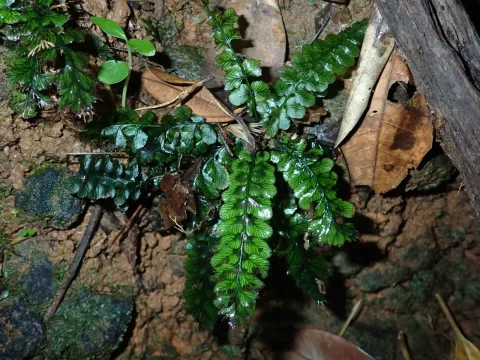
Cephalomanes is a genus of ferns belonging to the Hymenophyllaceae family, often referred to as filmy ferns. These plants are characterized by their thin, translucent fronds that are naturally adapted to the high-humidity environments of tropical forest understories.
What the section contains
Cephalomanes
To successfully cultivate Cephalomanes, maintaining a relative humidity of 70% to 90% is essential. This is best achieved by housing the plants in a terrarium or a specialized wardian case to protect them from dry indoor air.
The substrate must be extremely well-draining yet moisture-retentive. A mix of shredded bark, long-fiber sphagnum moss, and perlite is recommended to ensure that the delicate root systems receive adequate oxygen while remaining damp.
Light intensity should be kept very low. Cephalomanes plants thrive in deep shade; direct or even strong indirect sunlight can cause severe scorching of the delicate leaf tissue within a matter of hours.
Temperature control is vital for this genus. It requires a stable environment ranging between 20°C and 25°C. Avoiding cold drafts and sudden temperature fluctuations is critical to prevent the shock and subsequent dieback of the fronds.
The primary threat to Cephalomanes is root rot caused by stagnant water in the potting medium. Once the roots become waterlogged and decay, the plant often cannot be recovered, making careful water management the most important task for the grower.
Spider mites represent the most common pest infestation for these ferns, especially if the humidity levels drop even momentarily. They feed on the underside of the fronds, leading to discoloration and eventual leaf drop if left untreated.
Fungal infections can spread rapidly in the closed, humid environments that Cephalomanes prefers. Proper air circulation within the terrarium is necessary to prevent the buildup of stagnant moisture that promotes mold growth.
Sensitivity to chemical fertilizers and mineral-heavy water is another significant stressor. The accumulation of salts in the substrate can burn the roots, so using distilled or reverse osmosis water is mandatory for healthy development.
When managing potential threats, avoid harsh chemical pesticides. If an infestation occurs, gentle manual removal or the application of organic horticultural oils diluted significantly is safer for the sensitive foliage of the plant.