
Crepidomanes
Crepidomanes
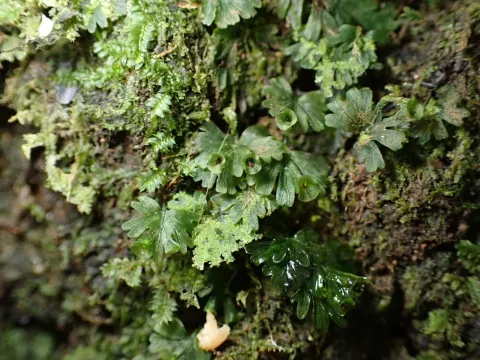
Crepidomanes is a genus of delicate ferns belonging to the Hymenophyllaceae family. These plants are characterized by their thin, translucent leaves, which are often only one cell layer thick, requiring high humidity and stable conditions to maintain their structural integrity.
What the section contains

Crepidomanes
In their natural habitat, these ferns are found throughout the tropical regions of Asia, Africa, and the Americas. They typically grow as lithophytes or epiphytes on damp rocks and tree trunks near waterfalls and rainforest streams, where humidity remains consistently high.
In terms of cultivation, Crepidomanes is highly valued in the aquascaping industry for its unique aesthetic appeal. Successful growth requires a temperature range of 22 to 26 degrees Celsius and moderate to low lighting to prevent the development of opportunistic algae on the foliage.
The substrate should be porous and inert, such as volcanic rock or driftwood, which allows the rhizome to anchor securely without rotting. Proper water flow is essential to ensure that nutrients are distributed evenly and to prevent the accumulation of debris around the fragile roots.
Water chemistry requirements include soft to medium hardness and stable pH levels. As a slow-growing species, Crepidomanes is sensitive to drastic environmental changes and should be introduced into well-established tanks to ensure successful long-term adaptation.
The primary threat to Crepidomanes is the overgrowth of algae, which can easily outcompete the slow-growing fern for light and nutrients. Keeping algae in check through controlled lighting and balanced fertilization is the most critical aspect of maintenance.
Incorrect nutrient dosing can lead to rapid tissue decay. High concentrations of nitrates or an imbalance of micronutrients often cause the translucent leaves to brown and dissolve, signaling a stress response that is difficult to reverse once started.
Invertebrate pests, particularly certain species of snails, may graze on the soft tissue of the fronds. These small injuries become entry points for bacterial infections, which can quickly spread through the entire rhizome if not treated promptly.
High temperatures can be detrimental, leading to metabolic exhaustion. Maintaining a stable temperature is vital, especially in regions with hot summers where tank cooling systems might be necessary to protect the plant from heat-induced stress.
Chemical treatments used in aquarium fish medicine are often lethal to the Hymenophyllaceae family. It is strictly recommended to remove the plants from the treatment area when introducing medications to ensure the safety and survival of the fern colonies.