
Trichomanes
Trichomanes
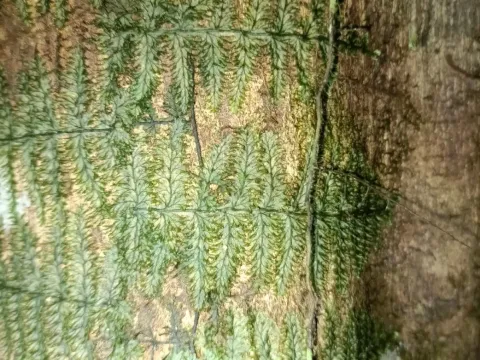
Trichomanes is a genus of ferns belonging to the Hymenophyllaceae family. Known for their delicate structure and specialized ecological needs, these plants are highly regarded in botanical collections rather than traditional field agriculture.
What the section contains
 Trichomanes alatum
Trichomanes alatum
Trichomanes alatum
 Trichomanes atrovirens
Trichomanes atrovirens
Trichomanes atrovirens
 Trichomanes crispum
Trichomanes crispum
Trichomanes crispum
 Trichomanes javanicum
Trichomanes javanicum
Trichomanes javanicum
 Trichomanes latealatum
Trichomanes latealatum
Trichomanes latealatum
 Trichomanes minutum
Trichomanes parvulum
Trichomanes parvulum
Trichomanes minutum
Trichomanes minutum
Trichomanes parvulum
Trichomanes parvulum
 Trichomanes pinnatum
Trichomanes pinnatum
Trichomanes pinnatum
 Trichomanes venosum
Trichomanes venosum
Trichomanes venosum
Trichomanes
Their natural habitat includes tropical rainforests worldwide, where they thrive in high-humidity environments. They are often found growing as epiphytes on tree trunks or on wet rock faces near waterfalls, where the atmosphere remains saturated with moisture.
Cultivating Trichomanes requires precise environmental control. These plants are notorious for their inability to survive in standard indoor air humidity, making them strictly suited for closed terrariums or dedicated greenhouse displays where humidity remains near 100%.
The substrate must be highly porous and moisture-retentive. Growers typically utilize a mixture of sphagnum moss, orchid bark, and high-quality peat to ensure roots remain hydrated while preventing the compaction that could lead to root suffocation.
Lighting conditions should be soft and indirect. Because these ferns are adapted to the deep shade of forest floors, exposure to direct sunlight will quickly scorch their thin, translucent fronds, leading to irreversible tissue damage.
The primary threat to Trichomanes is desiccation. Even a short period of exposure to low humidity levels can cause the fronds to wither and die, as the plant lacks the thick cuticles found in more hardy, drought-tolerant fern species.
Fungal pathogens and mold growth represent a major risk in the closed, humid environments required by the genus. Poor air circulation combined with decaying organic matter in the substrate provides an ideal breeding ground for these harmful microorganisms.
Pests such as fungus gnats can become problematic if the soil remains waterlogged or if organic decomposition in the substrate is too rapid. Maintaining a clean environment and utilizing sterile components for the substrate is essential for long-term health.
Systemic diseases are generally rare but can occur if the plant is stressed by improper temperature fluctuations. Maintaining a steady temperature between 18 and 24 degrees Celsius helps the plant maintain its natural resistance to environmental stressors.
Manual intervention is the safest method for pest control. Given the fragility of the foliage, chemical treatments should be avoided unless absolutely necessary, and only in highly diluted forms to prevent damaging the sensitive fern tissue.