
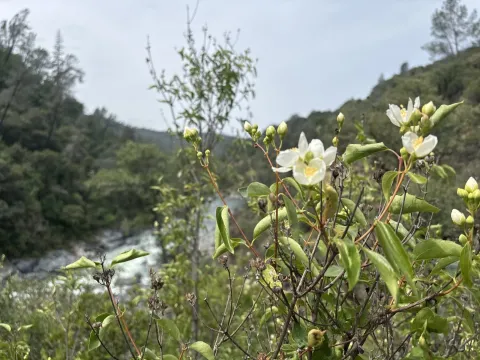
California mock orange
Philadelphus californicus
California mock orange (Philadelphus californicus) is a deciduous ornamental shrub belonging to the Hydrangeaceae family. Native to the woodlands and foothills of California, this species has evolved to thrive in environments with distinct seasonal temperature changes and seasonal moisture levels.
What the section contains
California mock orange
The plant requires fertile, well-drained loamy soils to reach its full potential, ideally with a neutral to slightly acidic pH. Proper drainage is critical, as waterlogged soil can lead to root rot and other physiological issues that can stunt the growth of the shrub over time.
A location with full sun exposure or partial shade is essential for abundant flowering. While the plant is adaptable, excessive shading typically results in leggy growth and fewer flowers, which diminishes the ornamental impact of the plant in a landscape design setting.
Agricultural management primarily involves pruning immediately after the blooming season ends. This practice serves to remove spent wood, encourage the development of vigorous new shoots for the following year, and maintain an aesthetically pleasing, dense shape for the shrub.
In terms of climate, California mock orange is relatively hardy but benefits from a layer of organic mulch around the root zone in regions experiencing harsh winters. This protection helps regulate soil temperature and retains moisture during the initial spring growth phase.
The primary pests affecting this species include aphids and spider mites, which tend to congregate on young, succulent leaves during warm and dry periods. Integrated pest management, including the use of horticultural oils or soaps, is effective in keeping populations under control.
Fungal issues, such as powdery mildew, are common, particularly when humidity levels are high and air circulation within the shrub canopy is poor. Keeping the plant properly pruned and ensuring enough space between adjacent plants is the best way to prevent these fungal infections.