
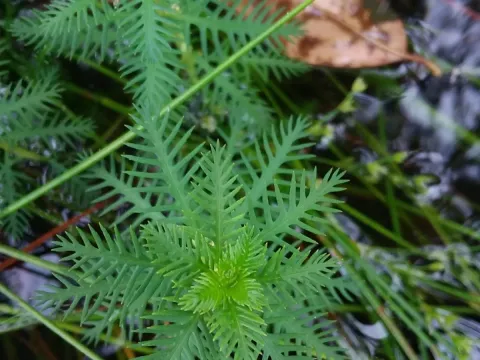
Proserpinaca intermedia
Proserpinaca intermedia
Proserpinaca intermedia is a distinct aquatic and semi-aquatic plant species belonging to the Haloragaceae family. It is a natural hybrid endemic to parts of North America, typically inhabiting marshy areas and shallow water bodies where it thrives in hydric soil conditions.
What the section contains
Proserpinaca intermedia
This crop has high demands for lighting intensity. Sufficient photon flux is essential to maintain its characteristic vibrant reddish-orange coloration, especially in submerged conditions where light penetration is naturally reduced by the water column.
The plant requires a nutrient-rich substrate to support its physiological needs. Unlike many purely floating species, Proserpinaca intermedia relies significantly on its root system for nutrient uptake, necessitating a soil or substrate mix enriched with chelated iron and trace minerals.
Climate requirements involve maintaining a stable thermal environment, ideally between 20°C and 26°C. While it is somewhat resilient, sudden fluctuations in water chemistry or temperature can trigger shock, leading to leaf loss or stunted growth patterns in sensitive cultivation setups.
In terms of agricultural and horticultural use, the species is predominantly cultivated for the specialized aquatic plant industry. It serves as a decorative centerpiece in high-end aquascaping and professional paludarium projects due to its intricate, serrated leaf morphology.
Algal blooms pose a significant threat to Proserpinaca intermedia by competing for available light and nutrients. Because the plant grows relatively slowly, it is easily outcompeted, requiring proactive nutrient management and consistent maintenance of water quality parameters.
Pests such as aphids and spider mites can severely damage the foliage when the plant is grown in its emersed form within greenhouse environments. Integrated pest management strategies using non-toxic biological agents are generally preferred in aquatic plant farming.
Fungal pathogens associated with high humidity and poor aeration can lead to rot at the crown of the plant. Ensuring constant air exchange and avoiding water stagnation are fundamental practices for preventing disease outbreaks in commercial nursery operations.
Imbalance in water hardness, particularly high concentrations of calcium and magnesium, can inhibit nutrient uptake and lead to structural weakness. Maintaining soft to medium-hard water is a common agronomic standard for successful long-term cultivation of this species.
Mechanical damage during harvest or transplanting serves as an entry point for opportunistic pathogens. Careful handling and the use of sterile cutting tools are vital to prevent cross-contamination and ensure the survival of the planting material.